Hellebores Explained: How to Grow One of Winter’s Most Colourful Perennials
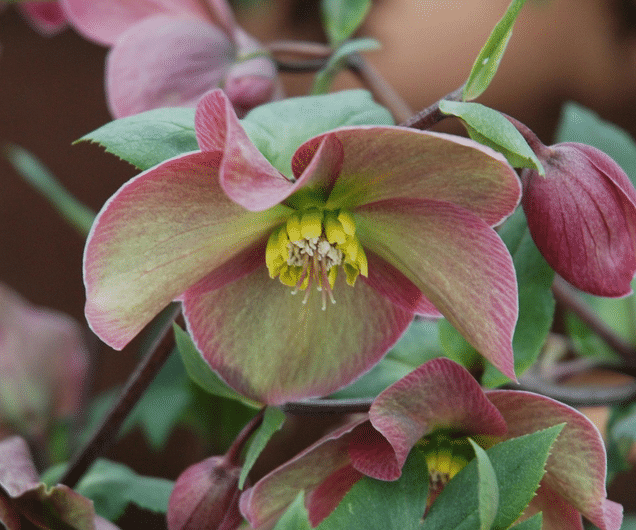
When much of the garden is lying dormant, hellebores come into their own. Flowering from late winter into spring, these hardy perennials provide much-needed colour at a time when blooms can be hard to find. Their elegant flowers, evergreen foliage and easy-going nature have made them a favourite among gardeners looking to create year-round interest.
Whether planted in borders, woodland gardens or containers, they will reward you with years of beautiful blooms and minimal maintenance.
What Are Hellebores?
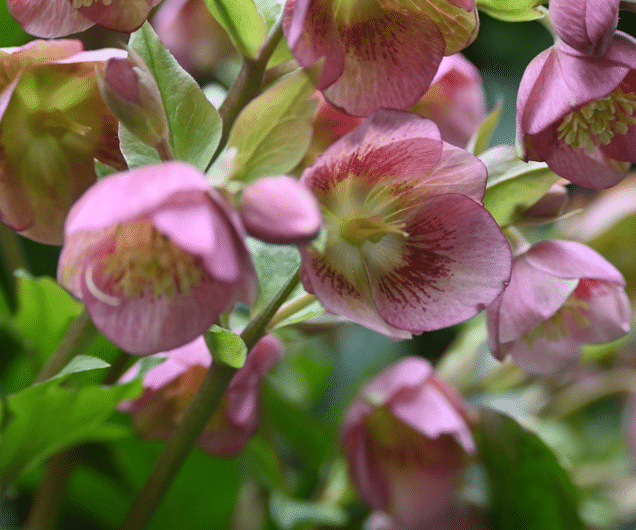
Hellebores are hardy perennial plants belonging to the buttercup family. Often referred to as Christmas Roses or Lenten Roses, they are among the earliest flowering plants in the garden, with some varieties beginning to bloom as early as December and continuing through spring.
Why Are Hellebores So Popular?
They Flower When Little Else Does
One of the biggest attractions of hellebores is their flowering season. While most perennials are still dormant, hellebores burst into bloom, bringing valuable colour to winter and early spring borders.
They Thrive in Shade
Many flowering plants struggle in shaded areas, but hellebores perform exceptionally well in partial shade and woodland-style settings. They’re ideal for planting beneath deciduous trees, alongside shrubs or in sheltered borders.
They Return Year After Year
Once established, hellebores require very little attention and can thrive for many years in the same location. Mature plants gradually form larger clumps, producing more flowers each season.
They Support Early Pollinators
The flowers provide an important source of nectar and pollen for early bumblebees and other pollinators emerging from winter when food sources can be limited.
Popular Hellebore Varieties
With so many varieties available, there is a hellebore to suit almost every garden style.
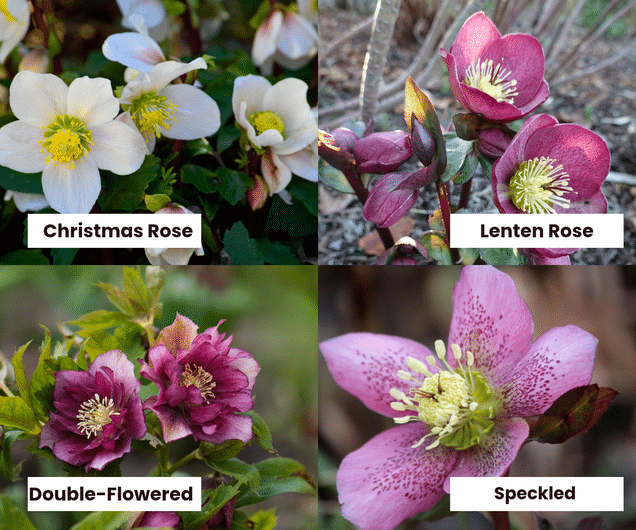
Christmas Rose (Helleborus niger)
Perhaps the best-known variety, the Christmas Rose produces elegant white flowers during winter. It’s perfect for brightening containers, borders and entranceways during the colder months.
Lenten Rose (Helleborus × hybridus)
Formerly known as Helleborus orientalis, this is one of the most popular garden hellebores. It offers a wide range of flower colours including pink, cream, white, plum and rich burgundy tones.
Double-Flowered Hellebores
These varieties feature multiple layers of petals for a fuller, more decorative appearance and make a striking statement in borders and containers.
Speckled and Picotee Varieties
Many modern hybrids feature unique markings, spots and contrasting edges that add extra visual interest and make every flower slightly different.
When to Plant Hellebores
Hellebores can be planted during most of the year, but autumn and spring are the ideal planting seasons. These cooler conditions allow the roots to establish before periods of active growth and flowering.
Avoid planting in frozen or waterlogged soil, as excess winter moisture can affect establishment.
Where Do Hellebores Grow Best?
For the best results, plant hellebores in:
- Partial or dappled shade
- Fertile, moisture-retentive but free-draining soil
- Sheltered garden locations
- Areas beneath deciduous trees and large shrubs
While many varieties will tolerate more sun, they perform best when protected from prolonged drying conditions during summer.
How to Plant Hellebores
Planting hellebores is straightforward and requires little preparation.
- Dig a hole slightly larger than the root ball.
- Improve the soil with compost or organic matter.
- Position the plant at the same depth as it was growing in its pot.
- Backfill the hole and firm the soil gently.
- Water thoroughly after planting.
Applying a layer of mulch around the base of the plant will help retain moisture and improve soil quality over time.
Caring for Hellebores
Although considered low-maintenance, a little care each year will keep hellebores looking their best.
Remove Old Foliage
In late winter, remove any damaged or tired leaves before flowering begins. This helps showcase emerging blooms and improves airflow around the plant.
Mulch Annually
Apply compost or well-rotted organic matter around plants in autumn or early spring to replenish nutrients and retain moisture.
Water During Dry Periods
Newly planted hellebores should be watered regularly until established. Mature plants are generally drought tolerant but will benefit from watering during prolonged dry spells.
Can You Grow Hellebores in Pots?
Yes. Hellebores make excellent container plants and are ideal for adding winter colour to patios, balconies and doorways. Choose a deep pot with drainage holes and use a high-quality compost to support healthy root growth.
Container-grown hellebores may require more frequent watering than garden-planted specimens, particularly during warmer weather.
Plants That Pair Well With Hellebores
Hellebores work beautifully alongside other shade-loving plants and early spring favourites, including:
- Snowdrops
- Cyclamen
- Primroses
- Ferns
- Heuchera
- Pulmonaria
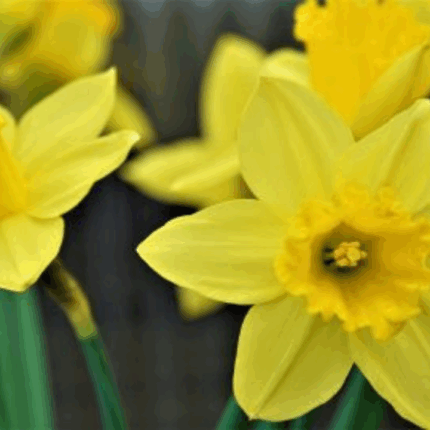
- Early flowering bulbs such as daffodils and crocuses
Together, these plants can create a succession of colour from winter through to late spring.
Final Thoughts
If you’re looking for a reliable perennial that delivers colour when the garden needs it most, hellebores are hard to beat. Their long flowering season, attractive foliage and ability to thrive in shady spots make them one of the most valuable plants for Irish gardens.
Whether you’re filling a woodland border, brightening a patio container or adding interest beneath trees and shrubs, hellebores will reward you with beautiful blooms year after year.
Frequently Asked Questions
Do hellebores come back every year?
Yes. Hellebores are perennial plants and will return each year, often becoming larger and more floriferous as they mature.
Do hellebores prefer sun or shade?
Most hellebores prefer partial shade or dappled shade, although many varieties will tolerate some sun if the soil remains moist.
When do hellebores flower?
Most hellebores flower between late winter and spring, providing colour during one of the quietest periods in the gardening calendar.
Are hellebores suitable for Irish gardens?
Yes. Hellebores are well suited to Ireland’s climate and perform particularly well in fertile, free-draining soil with some shelter from extreme conditions.
Can hellebores be grown in containers?
Absolutely. Hellebores are excellent container plants and can be used to add colour to patios, balconies and outdoor living spaces during winter and early spring.