Getting to Know Chrysanthemums: The Best Plant for Late Summer and Autumn Colour
As summer begins to draw to a close, many gardens can start to lose some of the colour and impact that characterised the warmer months. While some flowering plants may be winding down for the season, chrysanthemums are only getting started.
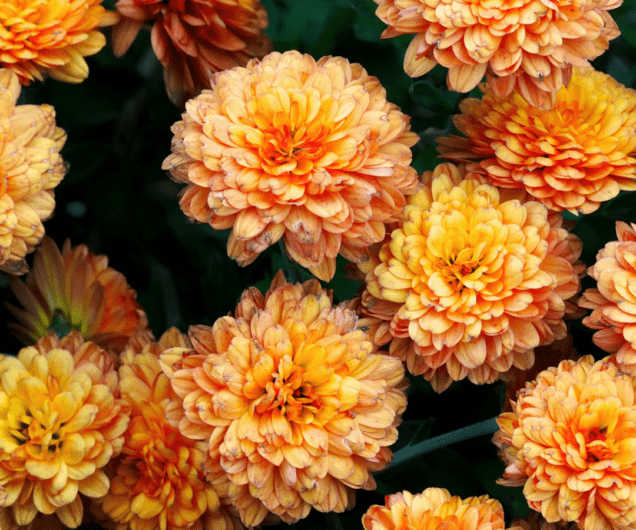
Known for their vibrant flowers, long flowering period and versatility, chrysanthemums are among the most popular plants for adding seasonal colour throughout late summer and autumn. Available in a huge range of shapes, sizes and colours, they can transform borders, containers, patios and entranceways at a time of year when many gardens need a fresh burst of life.
Whether you’re an experienced gardener or simply looking for an easy way to brighten your outdoor space, chrysanthemums are an excellent choice for creating eye-catching seasonal displays.
What Are Chrysanthemums?
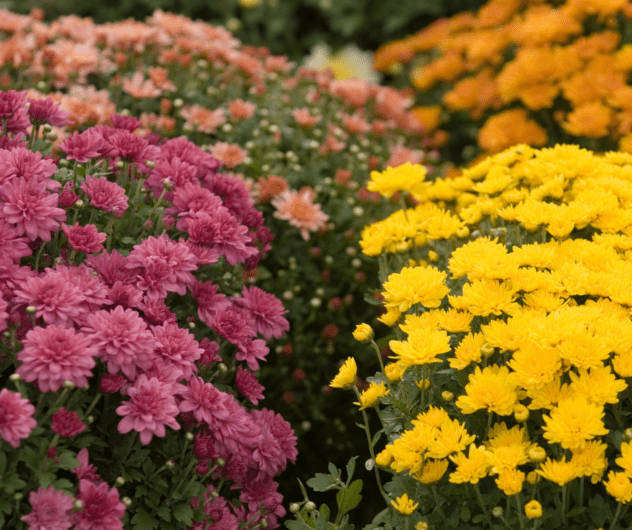
Chrysanthemums, often referred to as “mums”, are flowering plants that belong to the daisy family.
They are cultivated worldwide for their colourful blooms and are particularly valued for flowering later in the year than many traditional bedding plants. Their ability to provide colour through late summer and autumn makes them especially popular among gardeners looking to extend the flowering season.
Modern chrysanthemums are available in a wide variety of forms, from compact plants suitable for containers to larger varieties that make excellent additions to borders and garden beds.
Why Are Chrysanthemums So Popular?
There are several reasons chrysanthemums have become a firm favourite among gardeners.
Long-Lasting Colour
One of the biggest advantages of chrysanthemums is their exceptionally long flowering period.
Many varieties continue producing flowers for several weeks, providing reliable colour well into autumn when many other plants have finished blooming. This makes them a valuable addition to seasonal planting schemes.
Huge Variety of Colours
Chrysanthemums are available in an impressive range of shades, including:
- Yellow
- Gold
- White
- Pink
- Purple
- Red
- Bronze
- Orange
This wide colour palette allows gardeners to create displays that complement virtually any garden style or planting scheme.
Ideal for Containers and Pots
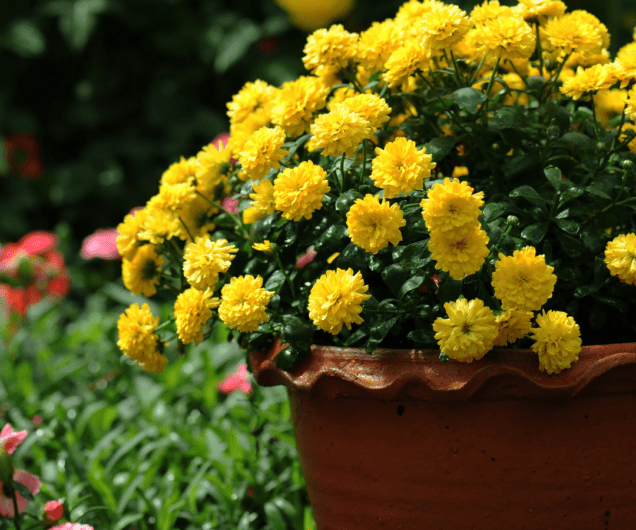
Like many seasonal flowering plants, chrysanthemums perform exceptionally well in containers.
They can be used to create colourful patio displays, frame entrances, brighten balconies and add seasonal interest to outdoor seating areas.
Relatively Easy to Grow
With suitable watering and the right growing conditions, chrysanthemums are generally straightforward to care for and reward gardeners with weeks of colour.
When Do Chrysanthemums Flower?
One of the main attractions of chrysanthemums is their flowering season.
Many varieties begin flowering during late summer and continue producing blooms through autumn. This timing helps bridge the gap between summer bedding plants and winter garden displays.
Their ability to flower at a time when gardens often begin to lose colour makes them particularly valuable for extending seasonal interest.
Where Do Chrysanthemums Grow Best?
Choosing the right location is one of the most important factors in achieving healthy growth and abundant flowers.
Full Sun Produces the Best Results
Chrysanthemums thrive in sunny positions and generally perform best when they receive at least six hours of direct sunlight each day.
Sunlight helps encourage stronger growth, healthier plants and a larger number of blooms.
Well-Drained Soil Is Important
Although chrysanthemums enjoy consistent moisture, they dislike sitting in waterlogged conditions.
Well-drained soil helps prevent root problems and encourages healthy development throughout the growing season.
If planting into heavier soils, incorporating organic matter beforehand may improve drainage and soil structure.
Suitable for Borders and Containers
Chrysanthemums are highly versatile plants and can be successfully grown:
- In garden borders
- In raised beds
- In patio containers
- In window boxes
- Around entrances and pathways
Their flexibility makes them suitable for almost any outdoor space.
How Should You Water Chrysanthemums?
While chrysanthemums are not particularly demanding, regular watering is important during active growth and flowering.
Container-grown plants often dry out more quickly than those growing in borders and may require more frequent watering, especially during warm weather.
For best results:
- Water thoroughly rather than little and often
- Avoid waterlogging the soil
- Check containers regularly during dry spells
- Water around the base of the plant
Consistent moisture helps support healthy growth and prolonged flowering.
Should You Feed Chrysanthemums?
Like many flowering plants, chrysanthemums benefit from regular feeding throughout the growing season.
Applying a suitable plant feed can help support:
- Stronger growth
- Healthier foliage
- Improved flowering
- Longer-lasting displays
Plants growing in containers particularly benefit from supplementary feeding because nutrients are used more quickly in restricted growing environments.
Do Chrysanthemums Come Back Every Year?
This is one of the most common questions gardeners ask. The answer depends on the variety. Some chrysanthemums are treated as seasonal bedding plants and replaced each year.
Others are hardy perennial varieties capable of returning year after year when given suitable winter protection.
Always check plant labels or speak with a horticultural advisor when purchasing to determine which type you are buying.
What Plants Grow Well with Chrysanthemums?
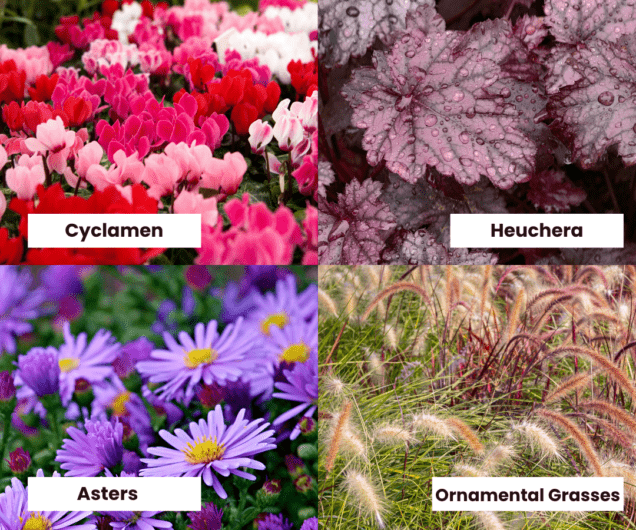
Chrysanthemums combine beautifully with many other autumn favourites.
Popular companion plants include:
Cyclamen
Cyclamen provide additional colour and texture during autumn and work particularly well in containers and seasonal displays.
Ornamental Grasses
The softer, natural appearance of ornamental grasses contrasts beautifully with the bold flowers of chrysanthemums.
Heuchera
Heuchera provides colourful foliage that complements autumn flowering displays.
Asters
Late-season asters extend colour and attract pollinating insects well into autumn.
Combining different textures, colours and flowering periods can help create an attractive display that continues performing throughout the season.
Can Chrysanthemums Attract Pollinators?
Many chrysanthemum varieties can provide a useful source of nectar for pollinating insects, particularly during late summer when other flowering plants begin to fade.
Including a range of pollinator-friendly plants throughout the garden can help support bees and other beneficial insects across the growing season.
Are Chrysanthemums Suitable for Small Gardens?
Absolutely.
Because they are available in compact varieties and perform well in containers, chrysanthemums can be used successfully in:
- Small gardens
- Courtyards
- Patios
- Balconies
- Urban outdoor spaces
A few strategically placed pots can provide significant visual impact without requiring large planting areas.
How Can You Keep Chrysanthemums Looking Their Best?
To maximise flowering performance:
- Remove faded blooms regularly
- Water consistently during dry weather
- Feed during active growth
- Position plants in full sun where possible
- Protect hardy varieties during severe winter weather
Simple maintenance throughout the growing season can significantly improve the overall display.
Final Thoughts
If you’re looking for an easy way to introduce colour into your garden as summer begins to fade, chrysanthemums are one of the best plants available.
Their vibrant flowers, long flowering period and versatility make them ideal for borders, containers and seasonal displays. Whether you prefer bright autumn shades, softer pastel colours or dramatic mixed arrangements, chrysanthemums offer something for every garden.
With the right care and growing conditions, these reliable plants can keep outdoor spaces looking colourful and inviting well into autumn.
For more seasonal planting inspiration and expert horticultural advice, visit your local Tirlán CountryLife store and speak with our gardening team.
Frequently Asked Questions
Are chrysanthemums annuals or perennials?
Some chrysanthemums are grown as seasonal bedding plants, while others are hardy perennials capable of returning each year.
When do chrysanthemums flower?
Most varieties flower during late summer and autumn.
Do chrysanthemums need full sun?
Yes. They generally perform best in a sunny position with several hours of direct sunlight each day.
Can chrysanthemums grow in pots?
Yes. Chrysanthemums are particularly well suited to containers and patio displays.
How often should chrysanthemums be watered?
They should be watered regularly, particularly during warm weather and when grown in containers.
Are chrysanthemums suitable for beginners?
Yes. With basic watering, feeding and sunlight requirements met, chrysanthemums are generally easy to grow and maintain.