What to Prune Now: A Simple Guide to Keeping Your Garden in Shape
Pruning is one of those garden jobs that can seem more complicated than it really is. What should you cut? How much should you take off? And, perhaps most importantly, does that plant actually need pruning at all?
The good news is that you don’t always need to reach straight for the secateurs. A better place to start is to take a walk around the garden, look at how your plants are growing and identify where a little attention could help.
Whether it’s a young tree developing its shape or a hedge that has become untidy, the aim should be to support healthy, balanced growth rather than simply cutting plants back for the sake of it.
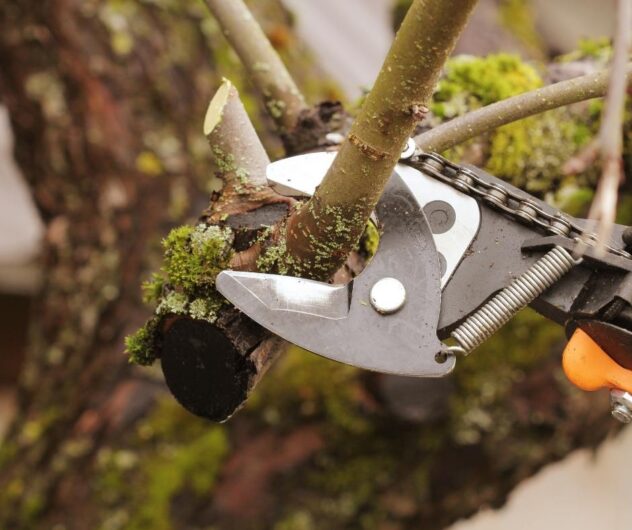
Why do we prune plants?
Different plants need different approaches, but pruning generally needs to have a purpose.
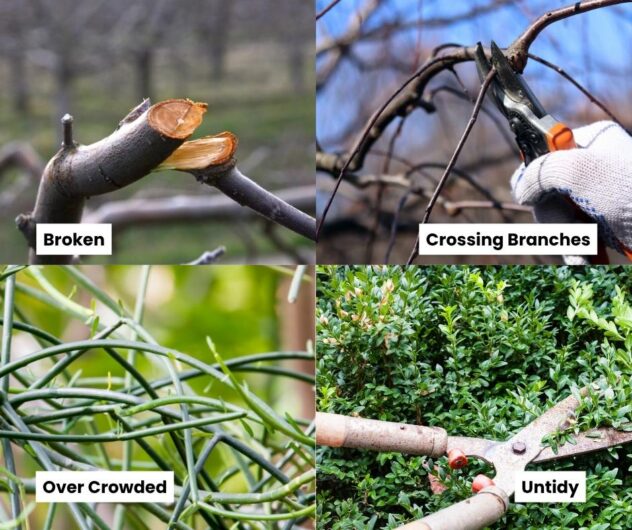
For young trees, for example, the focus should be on maintaining balance and encouraging a healthy framework rather than just trimming for appearance. Broken, crossing or crowded branches can be removed to encourage good structure as the tree develops.
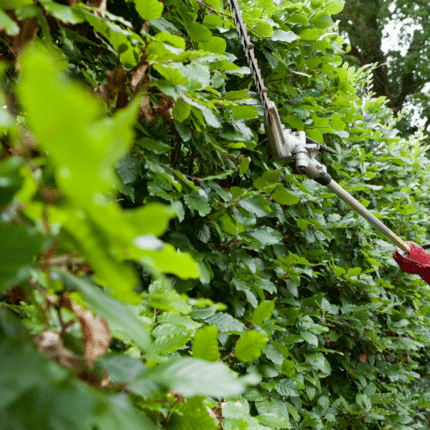
Hedges are slightly different. Regular trimming can help maintain healthy, attractive and dense growth, although how often you need to reach for the hedge trimmer will depend on the type of hedge you’ve chosen.
Faster-growing hedges may need more frequent attention than slower-growing varieties.
What should you look for before pruning?
You don’t necessarily need to give everything in the garden a major haircut. Start by looking for areas that genuinely need attention:
- Broken branches: Damaged growth may need to be removed as part of establishing a healthy tree.
- Crossing branches: Branches growing across one another can be addressed when developing a young tree’s framework.
- Crowded growth: Removing appropriate crowded branches can help establish a more balanced structure.
- Untidy hedges: Regular trimming helps hedges maintain an attractive appearance and promotes dense growth
This is where taking a step back before you start can really help. Look at the whole plant rather than tackling individual branches as you notice them.
Does every tree need pruning?
No. And this is where it pays not to get carried away.
When dealing with young trees, pruning should focus on establishing a healthy framework rather than simply shaping the tree for appearance.
Light formative pruning may be appropriate for some young ornamental trees, but the overall goal is balanced, healthy growth.
If you’re unsure about a particular tree, especially when significant pruning is involved, it is worth getting advice before making substantial cuts.
You can always prune later. You can’t stick a branch back on!
Does every Hedge need pruning?
Hedges benefit from regular attention, but there isn’t one maintenance routine that suits every variety.
Fast-growing hedges can provide screening relatively quickly, but they may also require more frequent trimming. Slower-growing varieties generally need less attention, although they can take longer to establish
When looking after your hedge:
- Consider the variety: Different growth rates mean different levels of maintenance.
- Think about the space: A hedge suited to its available space will generally be easier to manage.
- Trim regularly: This can encourage dense growth and maintain its appearance.
- Look after the base too: Keeping weeds away from young plants is also part of maintaining a healthy hedge
If you’re considering planting a new hedge, think ahead too. The eventual height and width are just as important as the size of the plants when you buy them.
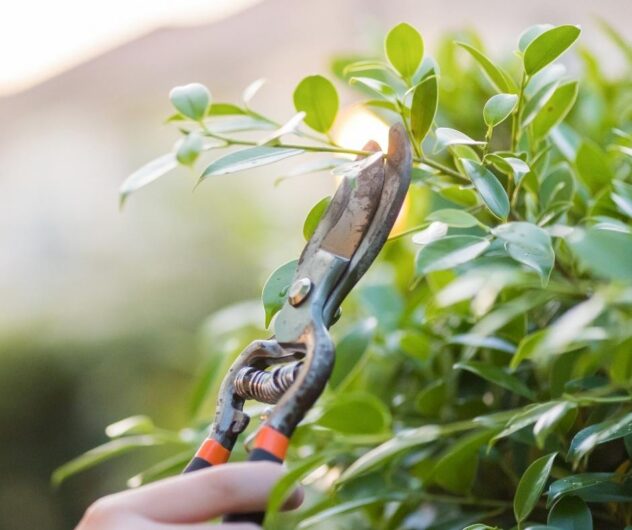
Don’t forget to check plant health
Pruning is also a good opportunity to pay closer attention to the condition of your plants.
Young trees should be monitored for signs of pest and disease problems. Spotting an issue early means you can address it before it becomes a more significant setback for the tree.
Take a closer look while you’re working around the garden rather than concentrating entirely on shape.
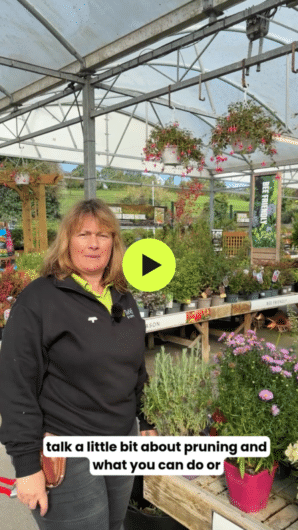
Ursula’s Autumn Pruning Tips
Checkout our horticulturists pruning tips!
A simple pruning checklist
- Know why you’re pruning before you make a cut.
- Look for broken, crossing or crowded growth on young trees.
- Focus on a healthy framework rather than appearance alone when establishing young trees.
- Keep hedges trimmed regularly to encourage dense growth.
- Remember that fast-growing hedges may need more frequent trimming.
- Check young trees for signs of pests or disease while you’re working.
- If you’re unsure about a particular tree or plant, get advice before carrying out significant pruning.
Need some pruning advice?
Sometimes the hardest part of pruning is knowing where to start.
If you’re unsure about the plants in your garden or you’re deciding how best to maintain a hedge, call into your local Tirlán CountryLife branch and speak to one of our horticulturists. With the right approach, pruning doesn’t have to mean cutting everything back. A little careful attention can help you maintain healthy growth, good structure and a garden that’s easier to manage.
Frequently Asked Questions
Why is pruning important?
For young trees, pruning can help develop a healthy, balanced framework. Removing broken, crossing or crowded branches can support good structure as the tree establishes.
Should all trees be pruned regularly?
Not necessarily. Pruning young trees should have a purpose rather than simply being done for appearance.
What branches should I look for when pruning a young tree?
Broken, crossing or crowded branches are the main areas highlighted in the existing young-tree guidance.
How often should I trim my hedge?
It depends on the hedge. Fast-growing varieties may require more frequent trimming, while slower-growing hedges generally need less attention. Regular trimming can encourage dense growth.
Can pruning help me spot problems with my trees?
Working around your trees is a good opportunity to check them for pests and disease. The existing tree-care guidance recommends regular monitoring so problems can be addressed early.