How to Care for Plants While You’re on Holidays
Going away during the summer can be stressful for plant owners, especially when warmer weather and longer days mean indoor plants can dry out more quickly than expected. With the right preparation, however, most houseplants can cope well for short periods without daily care.
The key is understanding how long plants can realistically go without water, how to prepare them properly before you leave, and what to expect if conditions aren’t ideal while you’re away. Be sure to visit our intro to houseplants guide for those still new to indoor planting.
How Do I Keep Indoor Plants Alive While on Holiday?
Indoor plants are often the most vulnerable when you’re away, particularly during summer when indoor temperatures and light levels increase evaporation. For those that don’t have neighbours, friends or family members to pop in while you’re away, there are a few things you can do to give your plants the best chance of thriving while you’re away from home.
Before leaving, give all plants a deep watering and move them away from direct sunlight where possible. Positioning them in cooler, shaded areas of the home helps slow moisture loss and reduces stress on the plant.
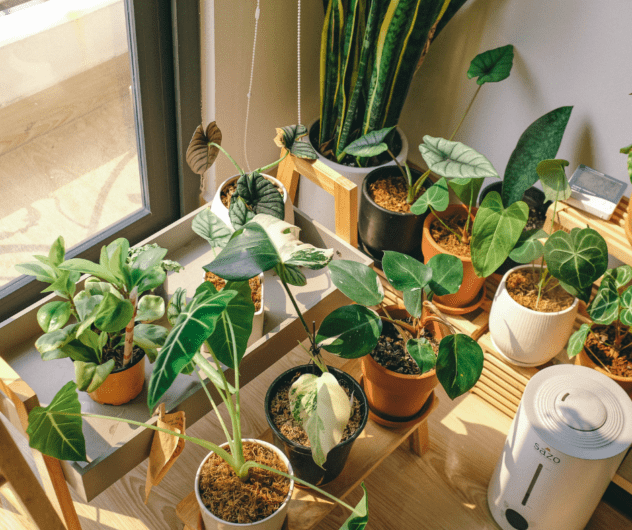
Grouping plants together can also help create a slightly more humid microclimate, which slows evaporation and helps them retain moisture for longer periods. For many households, these simple steps are enough to keep plants healthy over a short holiday.
How Long Can Plants Survive Without Water?
How long plants can survive without water depends on the type of plant, its size, the pot it’s in and the indoor environment it’s kept in. In general, many common houseplants can last around 5–7 days without watering, although this can be shorter in warm summer conditions or in bright, sunny rooms.
Smaller pots tend to dry out much faster than larger ones, as they hold less soil and therefore less moisture. Plants positioned near windows or in warmer rooms will also lose water more quickly due to increased evaporation.
Understanding this timeframe is important when planning a holiday, as it helps determine whether simple pre-watering will be enough or if additional watering methods may be needed.
Should You Water Plants Heavily Before Leaving?
Yes, in most cases, giving your plants a deep, thorough watering before you leave is far more effective than a quick surface watering. This ensures moisture reaches the full root system, where it can be absorbed gradually over time rather than evaporating from the top layer of soil.
Light watering often only dampens the top layer of soil, which dries out quickly and provides little long-term benefit. A proper deep watering helps plants stay hydrated for longer and reduces stress during your absence.
One method we recommend is bottom watering. Place your plant pot in a shallow tray or sink filled with water and allow the soil to absorb moisture through the drainage holes. Once the surface of the compost feels damp, remove the pot and allow any excess water to drain away before returning it to its usual spot. This helps ensure the entire root ball is evenly hydrated without overwatering from above.
While it may be tempting to leave plants sitting in water while you’re away, this should be avoided. Constantly saturated soil can reduce oxygen around the roots and increase the risk of root rot, which can be just as damaging as allowing a plant to dry out. The aim is to thoroughly hydrate the soil before you leave, not keep it permanently wet.
For extra peace of mind, a moisture indicator like the Westland Watering Indicator Small can help you check whether your plants genuinely need watering before you head away, reducing the risk of overwatering while ensuring they have enough moisture to last your trip.
What Happens If Plants Dry Out While I’m Away?
If plants dry out while you’re on holiday, the outcome will depend on the plant type and how long they have been without water. Some plants are quite resilient and will recover quickly once watered again, while others may show more visible signs of stress.
Common signs include wilting, dry or crispy leaves, or leaf drop. In more severe cases, prolonged dryness can cause lasting damage, particularly for more sensitive indoor plants.
The good news is that many plants can recover if they are watered promptly upon your return. However, recovery may take time, and some damaged leaves or stems may not fully return to their original condition.
This is why preparation is so important, not just to keep plants alive, but to maintain their overall health and appearance while you’re away.
What Are the Best Ways to Water Plants While Away?
For longer holidays, simple watering systems can provide extra reassurance. Self-watering spikes, drip systems or reservoir-based solutions allow plants to take up moisture gradually over time, helping maintain more consistent conditions while you’re away.
Even simple DIY methods, such as water bottles slowly releasing moisture into the soil, can be effective for short to medium trips.
The best approach depends on how long you’re away and how sensitive your plants are to changes in moisture levels.
Final Thoughts
Preparing plants for a holiday is mostly about understanding how quickly indoor conditions can change and planning accordingly. With deep watering, sensible positioning and the right level of support, most houseplants can cope well while you’re away.
For more seasonal gardening advice and practical home and garden inspiration, visit the Tirlán CountryLife blog or speak to our in-store team for guidance on plant care solutions and watering systems.
Frequently Asked Questions
- Can I leave my indoor plants alone for two weeks? Many houseplants can cope with being left alone for up to two weeks if they are properly prepared beforehand. Deep watering, moving plants out of direct sunlight, and using a self-watering system can all help them stay healthy during your absence.
- Should I move my houseplants away from windows before going on holiday? If your plants are normally kept in direct sunlight, moving them to a bright spot with indirect light can help reduce evaporation and prevent the soil from drying out too quickly. Avoid placing plants in dark rooms, as they will still need access to natural light.
- Are self-watering pots worth using? Self-watering pots can be a convenient option, particularly if you travel regularly or have plants that prefer consistently moist soil. They help provide a steady supply of water to the roots without leaving the compost waterlogged.
- Which indoor plants cope best without regular watering? Succulents, cacti, snake plants and ZZ plants are generally more tolerant of dry conditions than tropical houseplants. Plants with thicker leaves tend to store more water and are often better suited to short periods without watering.
- Should I ask someone to water my plants while I’m away? If you’re planning to be away for more than a week, particularly during hot summer weather, asking a friend, neighbour or family member to check on your plants can provide extra peace of mind. This is especially helpful for moisture-loving or high-maintenance plants.
- Can I use a plastic bottle to water my plants while I’m on holiday? Yes. An upturned water bottle or similar DIY watering method can slowly release moisture into the soil over several days. While it may not replace a dedicated watering system, it can be an effective solution for short holidays.