Summer Pet Safety Guide: How to Keep Pets Cool, Comfortable & Safe
Hot weather can be enjoyable for people, but for pets it can quickly become uncomfortable or even dangerous. Dogs and cats are far more sensitive to heat than humans, and they rely on shade, airflow and hydration to regulate their body temperature.
During warmer summer days, small changes at home and outdoors can make a big difference in keeping pets safe, comfortable and relaxed. The goal is not to restrict their routine entirely, but to help them cope better with higher temperatures. Be sure to visit our guide on how to creat a pet friendly garden for your furry friend.
How Can I Keep My Pet Cool in Hot Weather?
Keeping pets cool during warm weather is all about reducing heat exposure and helping them regulate their body temperature naturally. Unlike humans, pets don’t sweat effectively, so they depend on panting, shade and cool resting areas to manage overheating.
This is why environment plays such an important role. Keeping pets indoors during peak heat hours, ensuring good airflow through the home, and providing access to shaded or cooler areas can all help reduce stress on their system.
Even simple adjustments like allowing access to tiled floors, using cooling mats, or keeping curtains partially closed during the hottest part of the day can noticeably improve comfort. The key is to give pets multiple options so they can move to cooler areas when needed.
What Are the Signs of Heatstroke in Pets?
Heatstroke is one of the most serious risks during hot weather and can develop quickly if a pet becomes overheated in direct sun or poorly ventilated spaces.
Early signs often include heavy panting, excessive drooling, restlessness or lethargy. As it progresses, pets may become unsteady on their feet, vomit, or appear disoriented. In severe cases, collapse or unresponsiveness can occur.
Because the condition can escalate quickly, immediate action is essential. Moving the pet to a cool area, offering water in small amounts, and contacting a vet straight away can make a significant difference in outcome.
How Do I Keep My Pet Hydrated in Summer?
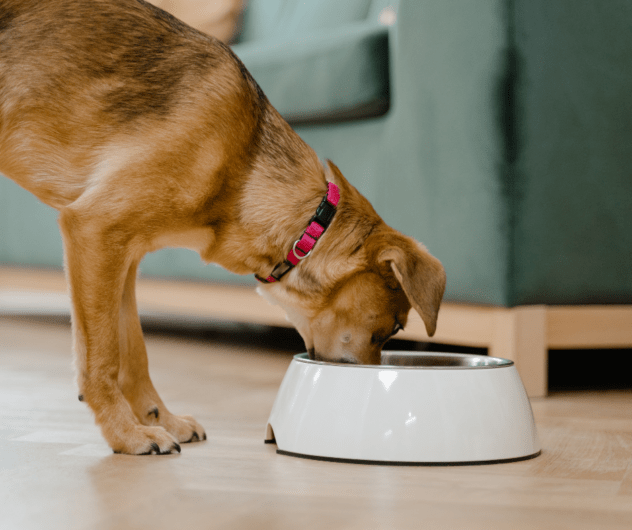
Hydration becomes even more important during warm weather, as pets lose more moisture through panting and activity. Fresh, clean water should always be available, both indoors and outdoors.
Some pets naturally drink less, so placing multiple water bowls in different areas of the home can encourage more regular hydration. Refilling bowls frequently also helps keep water appealing, especially on hot days.
When outdoors, pets should always have access to shade and water, particularly after exercise or play. Keeping routines flexible during heatwaves can also help reduce unnecessary exertion and support better hydration levels overall.
How Do I Protect My Pet from Fleas and Ticks How Do I Keep My Pet Hydrated in Summer?
Warm weather creates ideal conditions for fleas and ticks, making prevention an important part of seasonal pet care. These parasites become more active in summer, particularly in grassy or wooded areas, so regular checks and consistent protection are key to keeping pets comfortable and healthy.
For dogs, ongoing preventative treatments are often the most effective approach, helping to provide continuous protection throughout the season. Products such as Fleaway Plus are commonly used as part of a routine protection plan to help guard against fleas, ticks and other biting parasites during peak summer months.
Alongside prevention, regular grooming and inspection play an important role in early detection. After time spent outdoors, especially in long grass or countryside areas, it’s a good idea to check pets thoroughly. If a tick is found, it should be removed as quickly and carefully as possible using a proper tool rather than attempting to pull it off by hand.
Tools such as Tick Away Tick Tweezers are designed to help remove ticks safely and reduce the risk of leaving parts of the parasite behind in the skin, which can lead to irritation or infection.
In cases where pets may already be experiencing mild irritation or a flea presence, a gentle wash using a flea shampoo such as Bob Martin Flea Shampoo can help support immediate relief while longer-term prevention continues to work.
Taken together, consistent prevention, regular checks and prompt action all play an important role in reducing discomfort and keeping pets protected throughout the summer months.
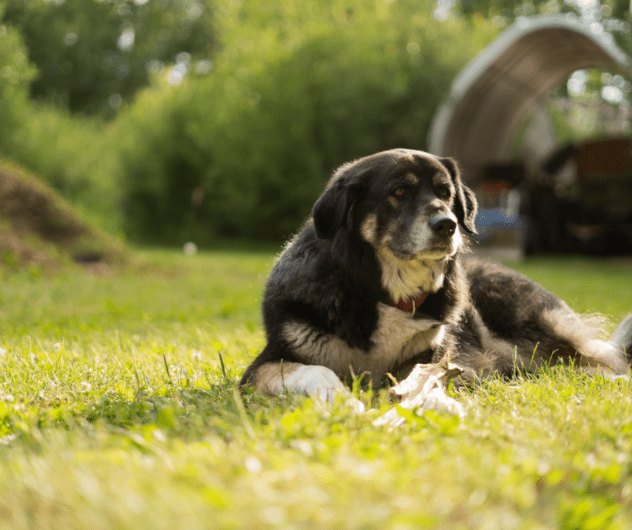
How Do I Keep My Pet Safe When Travelling in Hot Weather?
Car journeys during warm weather require extra care, as temperatures inside vehicles can rise rapidly, even on mild days.
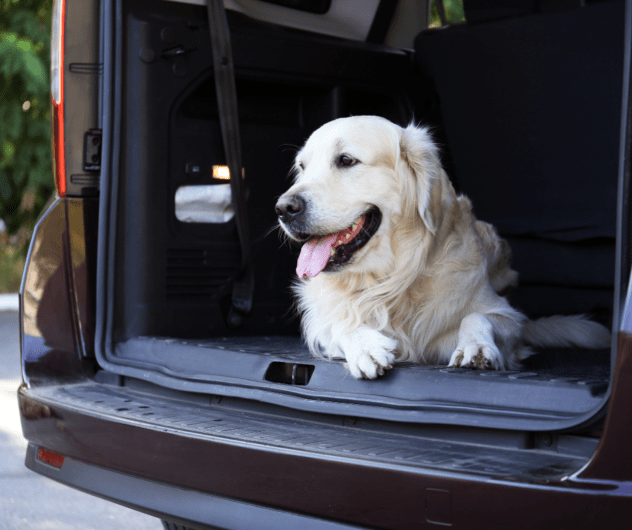
Pets should never be left unattended in a parked car, even for a short time, as conditions can become dangerous very quickly. When travelling, good ventilation and planning journeys outside peak heat hours can help keep pets more comfortable.
Bringing fresh water, taking regular breaks, and avoiding unnecessary travel during extreme heat all contribute to a safer and more comfortable experience for pets on the move.
How Can I Keep Pets Comfortable Indoors During Hot Weather?
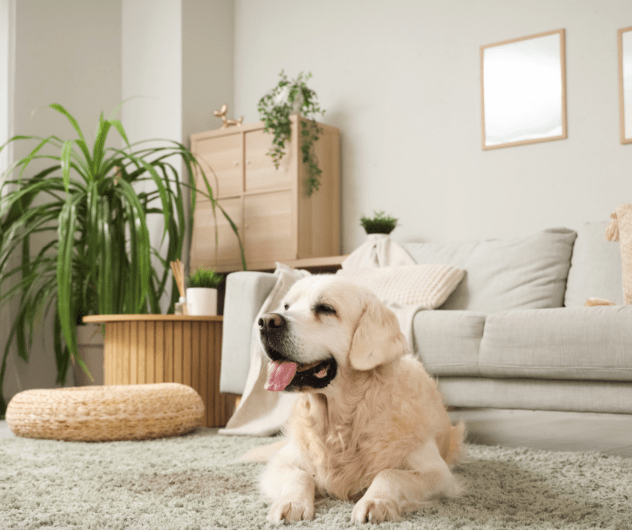
Indoor comfort becomes especially important during warm spells, particularly for pets that spend most of their time inside.
Improving airflow through open windows (where safe), using fans, and closing blinds during peak sunlight hours can help regulate indoor temperature. Pets will often naturally seek out cooler areas of the home, such as tiled floors or shaded rooms, so allowing access to these spaces is beneficial.
Keeping activity levels calm during the hottest parts of the day also helps prevent overheating and supports a more relaxed environment overall.
Final Thoughts
Keeping pets safe in summer is about awareness and small, consistent adjustments rather than major changes. By managing heat exposure, maintaining hydration, and taking simple precautions during travel and outdoor time, you can significantly reduce the risks associated with hot weather.
For more seasonal advice and outdoor living inspiration, visit the Tirlán CountryLife blog, or speak to our in-store team for expert guidance on caring for your pets throughout the year.
Frequently Asked Questions
- How hot is too hot for pets in summer? Temperatures above around 25°C can start to become uncomfortable for many pets, especially dogs with thick coats or breathing issues. However, humidity, direct sun and activity levels can make conditions risky even at lower temperatures.
- Can I walk my dog in hot weather? Yes, but walks should be kept to early morning or late evening when temperatures are cooler. Avoid hot pavements, as they can burn paw pads and increase the risk of overheating.
- Do fans help keep pets cool? Fans can help improve airflow and comfort indoors, but they should always be used alongside shade, water and cooler resting areas rather than as the sole cooling method.
- Should I trim my pet’s fur in summer? Not always. A pet’s coat can actually help regulate temperature and protect from sunburn. It’s best to consult a groomer or vet before making major changes to coat length.
- How do I know if my pet is dehydrated? Signs can include dry gums, lethargy, loss of appetite or reduced skin elasticity. If dehydration is suspected, fresh water should be offered immediately and a vet contacted if symptoms persist.
- Is it safe to take pets on long car journeys in summer? It can be safe with proper planning, including ventilation, water breaks and avoiding peak heat. However, shorter journeys during cooler parts of the day are always preferable in hot weather.