How to Repair Drought-Damaged Lawns: Bringing Burnt Grass Back to Life
After an extended spell of warm, dry weather, many lawns across Ireland can begin to look tired, patchy and straw coloured. While a lawn that has turned brown can be disappointing after months of care and maintenance, drought damage does not necessarily mean your grass is dead.
Grass is surprisingly resilient and, in many cases, what appears to be a ruined lawn is simply dormant. During prolonged dry conditions, grass naturally slows down growth and conserves energy to survive until moisture levels improve. With the right approach, most lawns can recover well once rainfall returns and temperatures begin to ease.
Whether your lawn is showing a few brown patches or has turned completely yellow across large areas, there are several practical steps you can take to encourage healthy regrowth and improve its resilience for future dry spells.
Why Does Grass Turn Brown During Dry Weather?
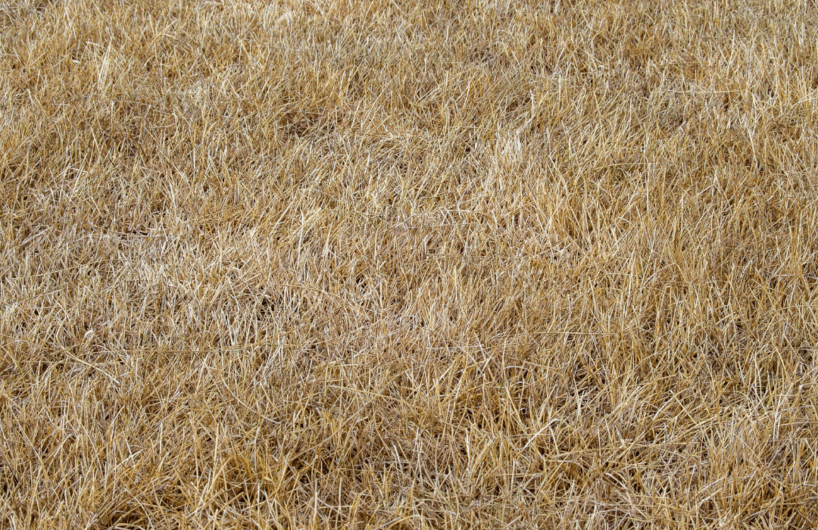
One of the most common questions gardeners ask during summer is why healthy grass suddenly loses its colour.
Grass requires moisture to maintain active growth. When prolonged periods of hot weather are combined with little rainfall, the grass plant begins prioritising survival over growth. As a result, blades may turn yellow, brown or straw coloured.
Several factors can worsen drought stress:
· Shallow root systems
· Compacted soil
· Excessive mowing
· Poor soil quality
· South-facing gardens exposed to intense sunlight
· Newly seeded or recently laid lawns
Areas close to paths, driveways and walls may also dry out more quickly as surrounding surfaces reflect additional heat.
Is Your Lawn Dead or Dormant?
Before investing time and money into lawn repairs, it is worth determining whether the grass is actually dead.
In many cases, drought-damaged lawns are simply dormant. Dormant grass often appears brown and dry above ground but remains alive beneath the surface.
A simple way to check is to gently pull at a small section of grass. If the roots remain firmly anchored in the soil, there is a good chance the lawn will recover naturally. If the grass pulls away easily and the roots appear dry and brittle, reseeding may be necessary.
Patience is important here. Many lawns begin to green up surprisingly quickly once rainfall returns.
Should You Water a Drought-Damaged Lawn?
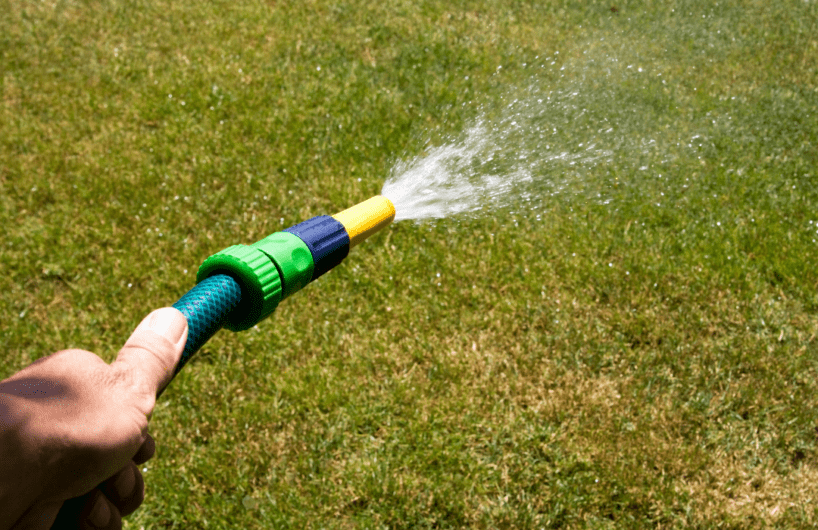
Watering can help recovery, but how you water is just as important as how often.
Frequent light watering encourages shallow roots, making grass more vulnerable during future dry periods. Instead, aim for deeper watering sessions that allow moisture to penetrate further into the soil.
For best results:
· Water early in the morning
· Water deeply rather than little and often
· Avoid watering during the hottest part of the day
· Ensure water reaches the root zone rather than sitting on the surface
While established lawns can tolerate periods of drought, young lawns and recently seeded areas may need more regular attention.
How Often Should You Mow a Recovering Lawn?
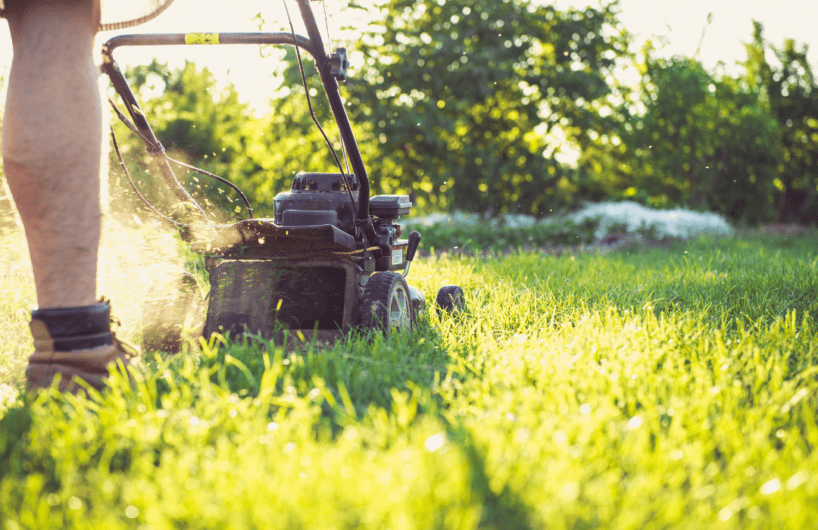
A common mistake after drought is cutting the grass too short in an attempt to tidy the lawn quickly.
Grass blades act as natural protection for the soil beneath. Longer grass helps shade roots, reduce evaporation and improve moisture retention.
During recovery:
· Raise mower height slightly
· Avoid removing more than one-third of the grass blade at a time
· Never scalp the lawn
· Delay mowing if grass remains stressed
Allowing the lawn a little extra height can make a significant difference to recovery and long-term health.
Should You Feed Your Lawn After Drought?
Many gardeners are tempted to apply fertiliser as soon as they notice brown patches appearing. However, feeding during severe drought conditions may place additional stress on the lawn.
Instead, wait until:
· Rainfall has returned
· Soil moisture levels improve
· New green growth becomes visible
At this stage, a suitable lawn feed can help encourage fresh growth and restore colour.
A balanced lawn care programme throughout the year can also strengthen roots and improve resistance to future environmental stress.
How Do You Repair Bare Patches?
Some lawns recover fully on their own, while others may be left with thin or completely bare areas.
If patches remain after rainfall returns, reseeding is often the best solution.
Step 1: Remove Dead Material
Rake away dead grass, moss and debris to expose the soil surface.
Step 2: Loosen the Soil
Lightly fork or rake the area to create a suitable seed bed.
Step 3: Apply Lawn Seed
Evenly spread quality lawn seed across the prepared area according to the product instructions.
Step 4: Add Compost or Topsoil
A light covering of compost or fine topsoil can help protect seed and improve moisture retention.
Step 5: Keep the Area Moist
Regular watering will help seedlings establish and encourage strong root development.
Early autumn is often one of the best times of year to repair lawns as soil temperatures remain warm while rainfall levels generally increase.
Can Aeration Help a Drought-Stressed Lawn?
Yes. Soil compaction is one of the key factors that can limit lawn performance during hot weather.
When soil becomes compacted, water struggles to penetrate and roots cannot develop as effectively.
Aerating your lawn can:
· Improve air circulation
· Encourage deeper rooting
· Reduce surface water run-off
· Improve nutrient uptake
· Help moisture reach the root zone
For heavily used lawns, aeration can be a valuable long-term maintenance practice.
How Can You Prevent Future Drought Damage?
While no lawn is completely immune to extreme weather, several practices can improve drought resistance.
Improve Soil Health
Healthy soil retains moisture more effectively and supports stronger root systems.
Avoid Scalp Mowing
Keeping grass slightly longer during summer helps reduce moisture loss.
Water Correctly
Deep watering encourages roots to grow further into the soil.
Feed Regularly
A healthy lawn enters periods of environmental stress in a stronger condition.
Overseed Thin Areas
Dense lawns are often better able to cope with changing weather conditions than sparse or patchy grass.
Common Products That Can Help Lawn Recovery
Depending on the condition of your lawn, useful products may include:
Your local Tirlán CountryLife team can help you choose the most suitable products based on your lawn conditions and recovery goals.
Final Thoughts
A lawn that has turned brown during summer can look alarming, but in many cases drought damage is only temporary. Grass is naturally resilient and often recovers once cooler temperatures and rainfall return.
By avoiding unnecessary stress, watering correctly, repairing damaged areas and improving soil health, you can help your lawn return to a healthy, green condition and build greater resilience for future dry spells.
For more seasonal lawn care advice, visit the Tirlán CountryLife blog or speak to our horticultural team in-store for expert guidance.
Frequently Asked Questions
Will burnt grass turn green again?
In many cases, yes. Grass affected by drought often becomes dormant rather than dying and can recover once growing conditions improve.
How long does lawn recovery take?
Recovery varies depending on weather conditions and the severity of the damage. Some lawns begin recovering within weeks of rainfall returning.
Should I water my lawn every day?
Generally, deep watering less frequently is more effective than daily light watering.
Can dead grass come back to life?
Dead grass will not recover and will usually require reseeding. Dormant grass, however, can often return naturally.
When is the best time to reseed damaged lawns?
Early autumn is typically one of the best times to reseed lawns in Ireland due to warm soil temperatures and increased rainfall.
Should I fertilise a brown lawn?
Avoid feeding during severe drought. Wait until the lawn resumes active growth.
Does mowing worsen drought damage?
Cutting grass too short can increase stress during dry weather and may slow recovery.
Will aerating help drought-damaged lawns?
Aeration can improve soil structure and help water and nutrients reach the root zone more effectively.
How can I make my lawn more resilient in the future?
Regular feeding, correct mowing, aeration and good soil management can all help improve drought tolerance.
Why is one part of my lawn more damaged than another?
Different soil conditions, sunlight levels, drainage and foot traffic can all affect how individual areas respond to dry weather.
When is the best time to reseed a lawn?
Early autumn is often ideal, as soil temperatures remain warm and natural rainfall helps establish new grass.
For more lawn care advice, visit your local Tirlán CountryLife store where our horticultural teams can help you select the right products to support lawn recovery and long-term health.