A Perfect Hedge: Tips for Planting and Maintaining Your Garden Hedges
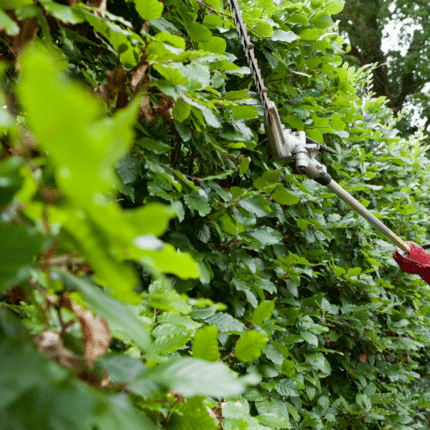
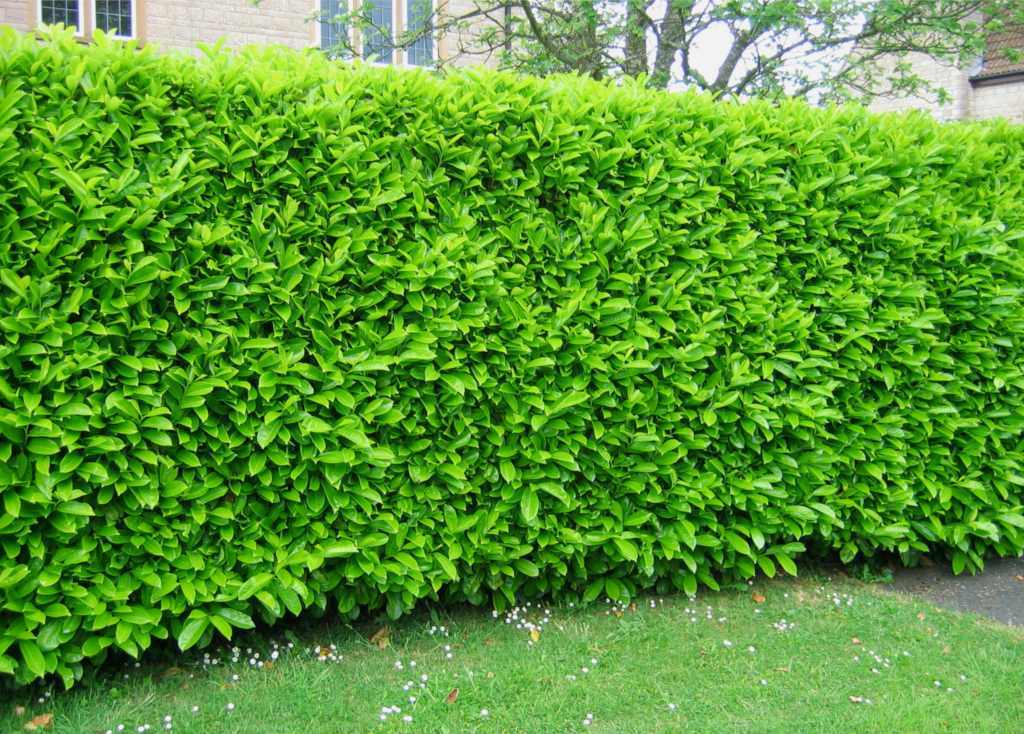
Late February and early March are the perfect times to cut hedges. It’s just before they start to sprout and long before birds begin building their nests. I like to give my beech hedges and laurels a trim around this time. Trimming now shapes them for the coming months and encourages healthy growth, directing the energy in the plant to the places it’s needed most. I usually keep the height around eye level, it saves your shoulders and back, and helps avoid lumps or uneven spots that can happen when cutting at awkward angles.
When is the Best Time to Trim a Hedge?
Hedges usually start growing in March and continue until mid-summer, so a little work early in the year keeps them tidy and healthy. I also like to give them a second trim at the end of September. Taking a little off twice a year keeps the hedge thick and makes the clippings easier to manage in the composter, rather than leaving a mountain of cuttings if you only trim once.
What Tools Should I Use for Trimming Hedges?
A standard hedge clipper is fine for smaller hedges, but if you have space, I recommend investing in a good multi-tool. With a detachable head, it can serve as a trimmer, strimmer, and pruner. It saves time and makes it easier to achieve an even, professional-looking hedge.
How Should I Feed My Hedge?
Feeding your hedge helps it thrive. The best time to apply feed is when rain is due within a couple of days. You can also use lawn clippings, as long as the lawn hasn’t recently had weed killer or sprinkle some home-made compost from your own composter to give the hedge a boost. For bare-root hedging bought in January or February, a light feed in April or May is usually sufficient. Avoid over-fertilising, too much can damage young plants.
When is the Best Time to Plant a Hedge?
Winter is generally the best time to plant hedges. Plants tend to be cheaper, and the soil is workable. However, different varieties suit different soil and climate conditions. Beech and laurel do well in most soils, while whitethorn is better for shallow ground. Escallonia is ideal for seaside gardens, though it has become somewhat prone to fungus recently. Bamboos, such as Phyllostachys Bissetti, grow quickly, making them excellent for town gardens, but avoid planting them near the sea.
Which Hedges are Best for My Garden?
If you want a low-maintenance hedge, Rosa Rugosa is a great choice. It grows to around 5ft high and wide, flowers from May to September, and birds love it. For beech hedges, consider mixing red and green-leafed plants or adding copper beech for colour. Planting some randomly rather than in a strict pattern also helps in case a few plants fail. Young hedges should be watered once a week in dry weather, using about one watering can per plant.
Laurel is another popular choice, thick, evergreen, and soundproof, ideal if you want privacy. Bamboo works well for quick screens, but choose your variety carefully and plant about two and a half feet apart. Be aware that some types, like Sasa, can creep into lawns if not managed. Be sure to visit our Box Hedging Guide for more information.
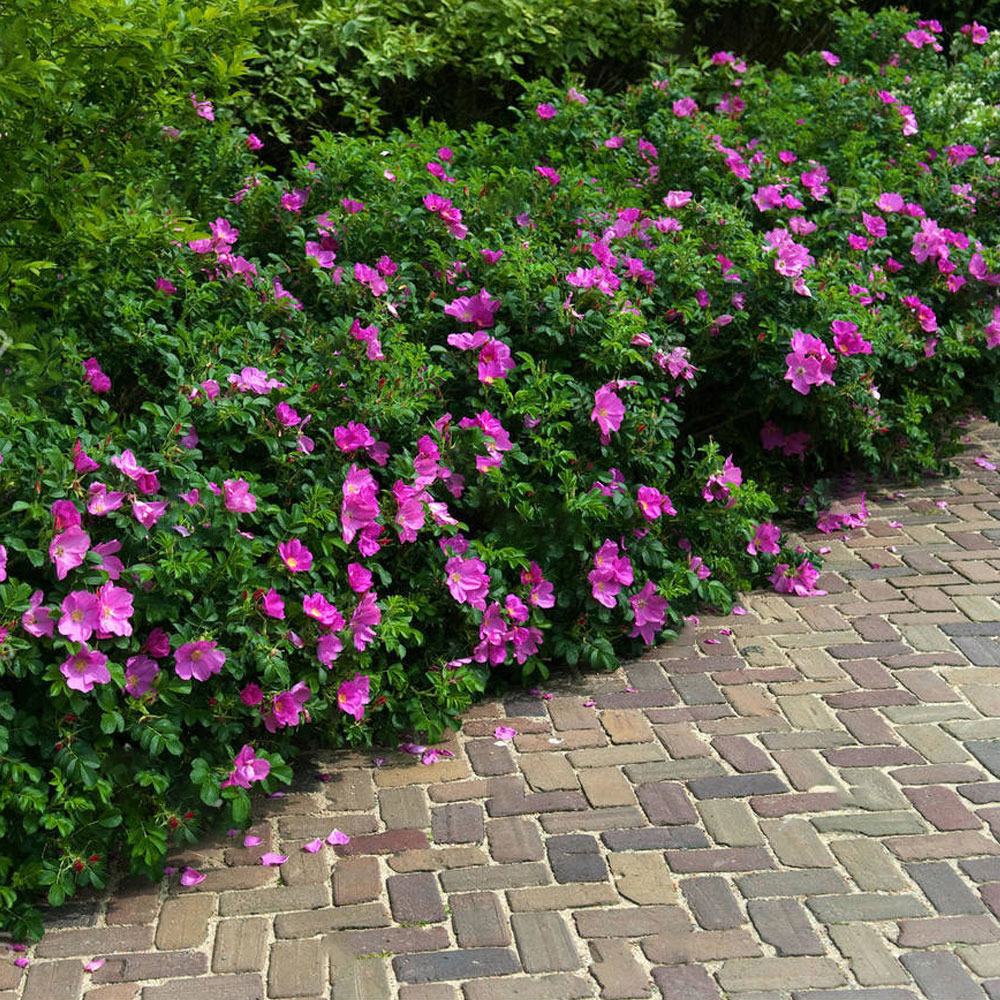
How Do I Keep My Hedge Healthy?
The key to a healthy hedge is keeping it weed-free from the start. If briars appear, treat them at root level with a strong weedkiller. Regular trimming, feeding, and occasional watering will ensure your hedge grows thick, strong, and attractive. With a little care, your hedge will provide privacy, colour, and wildlife habitat for years to come.
With a little care and attention, your hedge can become the backbone of your garden, providing privacy, structure, and a haven for wildlife. Watching it grow, keeping it tidy, and seeing it fill out over the seasons is incredibly rewarding. Whether you choose beech, laurel, bamboo, or a colourful mix of flowering plants, your hedge will add both beauty and function to your outdoor space for years to come.
If you enjoyed this guide, check out our full article on A Perfect Hedge for even more expert tips on hedge planting and maintenance. For further gardening advice, inspiration, and seasonal tips, visit the Tirlán Country Life blog, where we cover everything from hedges and wildflower meadows to pollinator-friendly gardens.
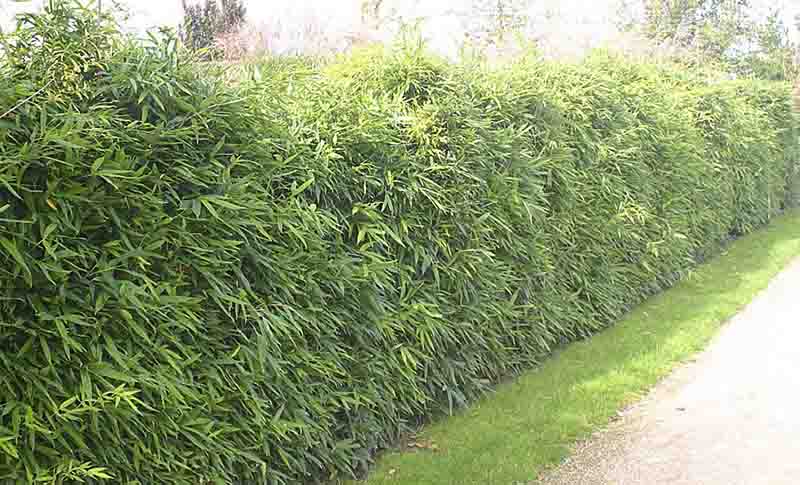
Malachy’s top tips for hedging
- Feed your hedge in spring and repeat in mid-summer
- Trim your hedge at least twice a year
- Compost your clippings
- Choose the right hedge for your needs and your terrain
- If choosing bamboo, Phyllostachys Bissetti is best
- Never trim your hedge in nesting season
We’re here to help
If you have any questions about maintaining your hedge, talk to any of our horticulturists in store. If you have a specific problem like pest damage on a plant, it’s really helpful to bring us a photo of it. We’d love to help.
SHOP PRODUCTS
All products mentioned in the above blog can be bought on countrylife.ie or in you local CountryLife branch. To find your nearest store click here.
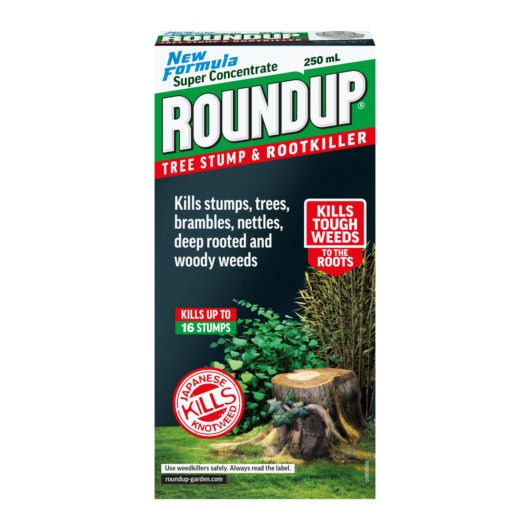
Roundup Tree and Stump Killer 250ml
Kills tough, deep rooted woody and perennial weeds such as ground elder and bindweed as well as killing tree stumps. It fully degrades in soil allowing replanting
Price: €25.95
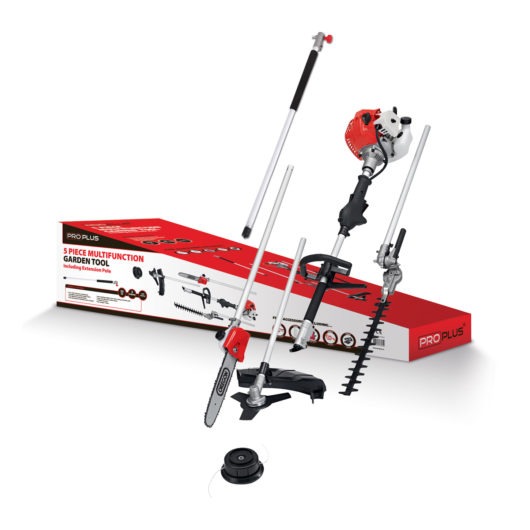
Multifunctional Proplus 5 Piece Garden Tool
Powerful, reliable and easy to start and use, this garden multi tool is great for trimming hedges and cutting hard-to-reach branches. Cost-effective and easy to assemble, this 4 in 1 multi-tool will tackle all of your gardening needs. Cuts grass smoothly, tackles brambles easily and provides great reach for pruning trees and hedges. The pack includes a double shoulder harness, safety goggles, earplugs, fuel mixing bottle, extension pole and work gloves. This machine also takes up less space, allowing for convenient storage.
Price: €349.00
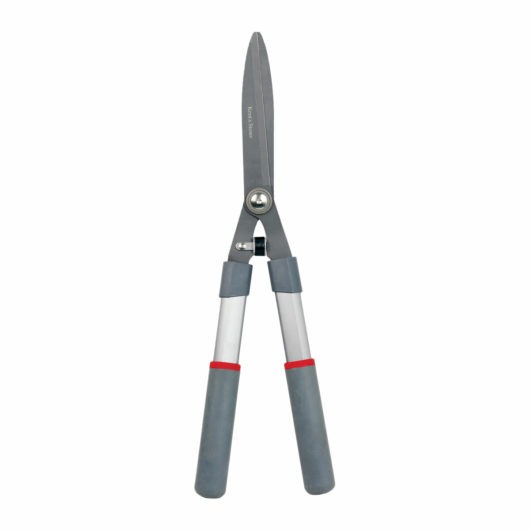
Kent & Stowe General Purpose Hedge Shear
Kent & Stowe General Purpose Hedge Shears are a premium cutting tool perfect for light trimming garden tasks, including leaves of hedges and shrubs. Their non-stick carbon steel blades will not rust and give a smoother cut, whilst being lightweight and comfortable to use.
Price: €25.99