Bring the Outdoors In: An Introductory Guide to Houseplants
One of the simplest ways to brighten your space, improve air quality, and bring a touch of nature indoors is with houseplants. Even if you’re new to indoor gardening, hardy, low-maintenance plants can thrive during the colder months, helping your home feel welcoming, fresh, and vibrant.
This beginner’s guide will answer common questions about which houseplants to choose, how to care for them, and which accessories can make your indoor garden a success.
Why Should I Bring Houseplants Into My Home?
Houseplants do more than add a splash of colour. They provide real benefits:
- Air purification: Many houseplants naturally filter toxins such as formaldehyde, benzene, and xylene, improving the air quality in your home.
- Mood boost: Caring for plants has been shown to reduce stress, increase calm, and improve mental wellbeing.
- Natural decoration: Green foliage, variegated leaves, and seasonal blooms add texture, colour, and a touch of life to otherwise grey, indoor spaces.
- Beginner-friendly gardening: Many houseplants are low-maintenance, forgiving, and thrive with just a few basic care steps.
Even if you don’t have a green thumb, indoor gardening in winter can be both rewarding and accessible.
Which Houseplants Are Easiest to Grow Indoors?
Some plants are perfect for beginners because they tolerate low light, cooler temperatures, and occasional neglect. Consider these:
- Snake Plant – Almost indestructible; tolerates low light and infrequent watering. Its upright leaves add a sculptural element to any room.
- Peace Lily – Produces elegant white blooms and glossy foliage, thrives in indirect light, and helps filter indoor air pollutants.
- ZZ Plant – Perfect for beginners; its waxy, dark-green leaves tolerate dry indoor air and irregular watering.
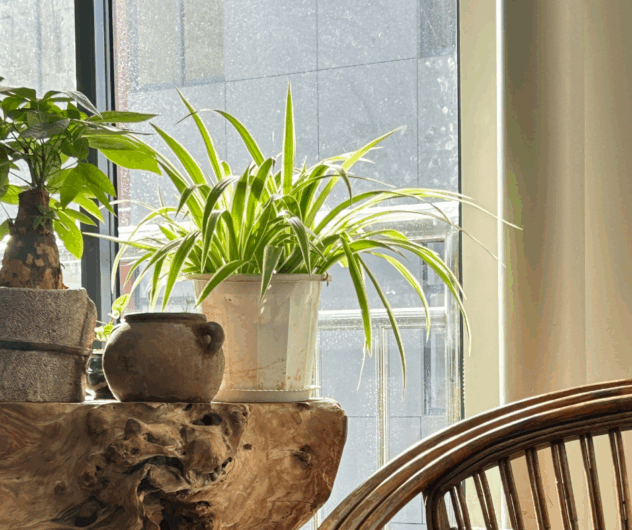
- Spider Plant – Resilient and adaptable, producing “pups” that can be propagated for new plants.
- Pothos – Trailing plant ideal for shelves or hanging baskets; adds a lush tropical feel and thrives in low-light conditions.
When selecting plants, consider light availability, room temperature, and humidity to ensure they thrive all year long.
How Should I Care for My Houseplants?
These practical care tips will help your plants stay healthy all year long:
- Water wisely: Plants grow slower in winter, so they require less frequent watering. Always check the soil before watering, overwatering is the most common cause of plant problems.
- Maximise light exposure: Place plants near windows with indirect sunlight, and rotate them occasionally to ensure even growth.
- Maintain humidity: Dry indoor air from radiators can stress plants. Use a mister, humidity tray, or small indoor humidifier to keep leaves healthy.
- Stable temperatures: Avoid placing plants near radiators, heaters, or drafty windows. Most houseplants prefer 16–22°C in winter. Look into buying a house thermometer to accurately assess temperature indoors.
- Fertiliser and feed: Consider buying houseplant feed to assist indoor plant growth.
- Clean leaves regularly: Dust blocks sunlight and reduces photosynthesis. Wipe leaves gently every few weeks to keep plants healthy and vibrant. Try houseplant mist to keep leaves vibrant, clean and healthy.
Which Indoor Gardening Accessories Can Help My Plants Thrive?
Even hardy houseplants benefit from simple tools and accessories. Tírlán CountryLife offers products that make winter plant care easier and more effective:
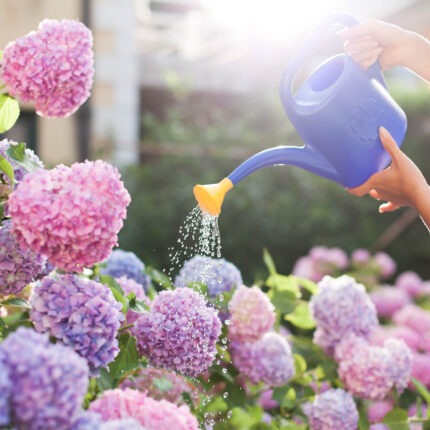
- Watering cans – Provide precise watering without splashing soil or damaging delicate leaves.
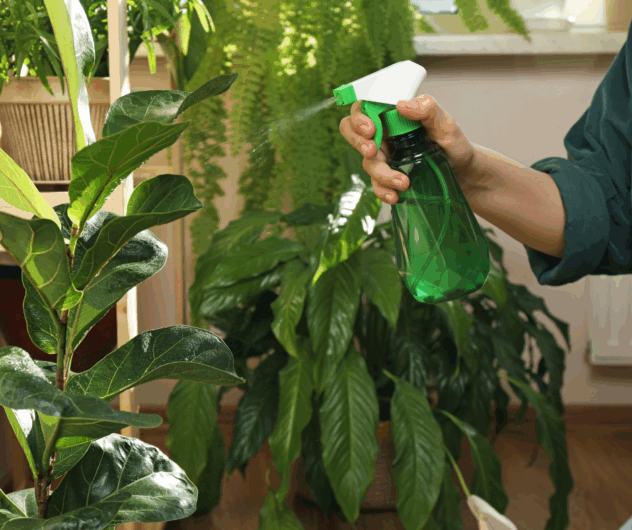
- Spray bottles and misters – Increase humidity for tropical plants in dry, heated homes.
- Fertilisers and plant food – Support slower winter growth and maintain vibrant foliage.
- Potting Mix – Make sure to buy appropriate soil for your indoor plants to promote water distribution and air flow.
Using these tools ensures your indoor garden stays healthy, even when natural conditions are less than ideal.
How Can I Grow Herbs Indoors?
Growing herbs indoors is a practical and rewarding way to enjoy fresh flavours year-round:
- Best herbs for indoors: Basil, parsley, chives, coriander, thyme, and rosemary thrive indoors.
- Lighting needs: Place pots near sunny windows or use grow lights to supplement low natural light.
- Watering and soil: Use well-draining pots, water consistently, and fertilise lightly with plant food.
- Easy harvesting: Pick leaves as needed; continuous harvesting encourages growth and keeps herbs healthy.
- Labelling: Labels can be a great way to distinguish different herbs for beginner gardeners.
Indoor herbs are low-maintenance, aromatic, and ideal for beginners who want a productive indoor garden. Explore our full range of herbs for inspiration.
How Can I Create an Indoor Garden That Lasts?
Indoor gardening doesn’t have to be complicated. With resilient plants, simple care routines, and the right accessories, anyone can create a thriving indoor garden.
A few extra tips for success:
- Group plants together to increase humidity naturally.
- Rotate plants weekly to prevent uneven growth.
- Keep a watering schedule to avoid over- or under-watering.
- Regularly clean pots and trays to prevent pests or mould.
Even beginners can enjoy a home filled with vibrant greenery, fresh herbs, and improved air quality.
For more tips, inspiration, and practical gardening advice, visit the Tírlán CountryLife Blog.