Helenium Explained: How to Grow One of Autumn’s Most Colourful Perennials
As summer begins to fade, many gardens start to lose some of their colour and impact. Fortunately, there are plenty of late-season plants capable of keeping borders vibrant well into autumn, and few are as eye-catching as Helenium.
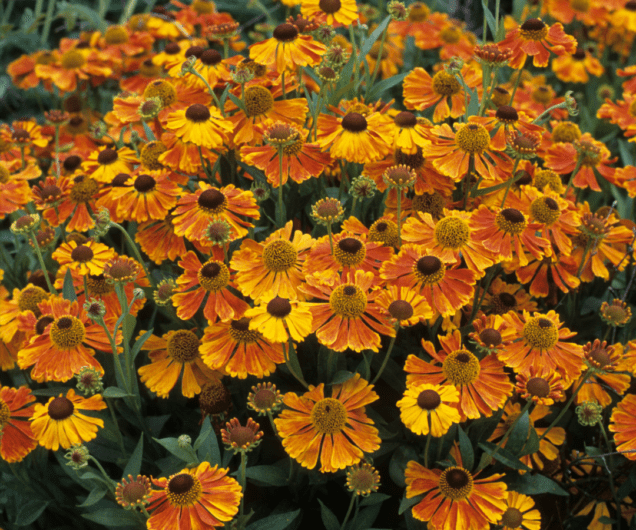
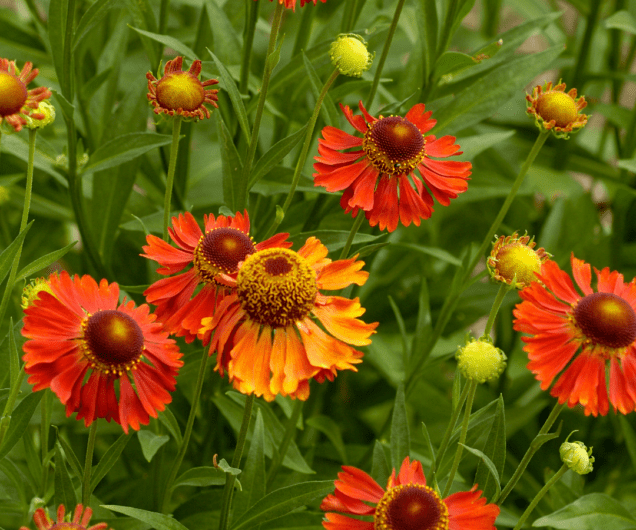
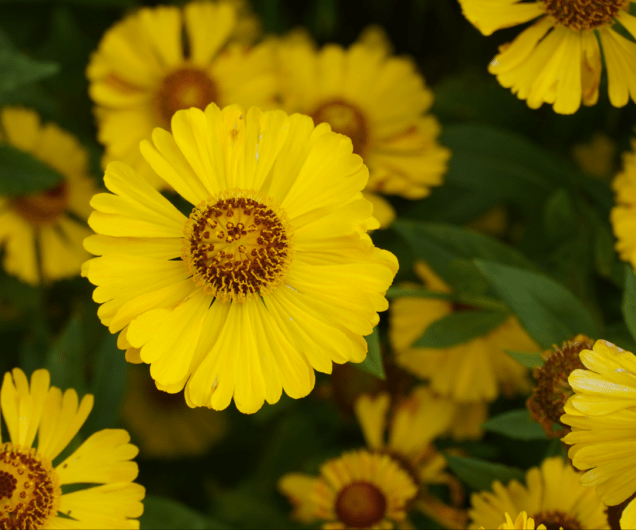
Known for their fiery shades of yellow, orange, copper and red, Helenium plants provide weeks of colour when many other flowering plants are beginning to slow down. Their daisy-like blooms not only brighten gardens during late summer and autumn, but they also provide an important food source for pollinators such as bees and butterflies.
Whether you’re looking to refresh a perennial border, support wildlife or simply introduce more seasonal colour into your garden, Helenium is a rewarding plant that delivers reliable results year after year.
What Is Helenium?
Helenium is a hardy herbaceous perennial that produces masses of colourful, daisy-like flowers from mid-summer through to autumn.
Native to North America, Helenium has become increasingly popular among Irish gardeners thanks to its long flowering period, ability to attract pollinators and impressive range of warm autumn colours.
Often called Sneezeweed, although it has no connection to hay fever, modern Helenium varieties are grown purely for their ornamental value and can become a standout feature in borders during the second half of the gardening season.
Why Is Helenium So Popular?
There are many reasons why gardeners continue to choose Helenium for both traditional and contemporary planting schemes.
Long Flowering Season
One of the biggest advantages of Helenium is its ability to provide colour for an extended period.
While many summer-flowering plants begin to fade during August, Helenium often continues performing strongly through September and into October, helping maintain interest in the garden as the seasons change.
Excellent for Pollinators
Like many open-centred flowers, Helenium is highly attractive to pollinating insects.
Bees, hoverflies and butterflies frequently visit the blooms throughout the flowering season, making Helenium an excellent addition to wildlife-friendly gardens. Supporting pollinators is particularly important during late summer when natural food sources begin to decline.
Reliable and Easy to Grow
Once established, Helenium is generally easy to care for and can thrive in a wide range of garden settings.
With suitable soil, regular watering during dry periods and occasional maintenance, plants can provide dependable displays for many years.
What Colours Does Helenium Come In?
Many gardeners are surprised by the variety of Helenium colours available.
Popular shades include:
- Bright yellow
- Golden orange
- Deep copper
- Burnt orange
- Crimson red
- Mahogany tones
Many varieties combine multiple colours within a single flower, creating a rich and vibrant display that perfectly complements autumn planting schemes.
These warm colour combinations work especially well alongside ornamental grasses and other late-season perennials.
Where Does Helenium Grow Best?
Choosing the correct position is key to getting the best performance from Helenium.
Full Sun Is Best
Helenium performs best in a sunny location where plants receive several hours of direct sunlight each day.
More sunlight generally means stronger stems, better flowering and improved plant health.
Moist but Well-Drained Soil
Unlike some drought-tolerant perennials, Helenium prefers soil that retains some moisture while still draining effectively.
Extremely dry conditions can reduce flowering performance and lead to stressed plants during prolonged periods of hot weather.
Adding organic matter before planting can help improve soil structure and moisture retention.
Give Plants Room to Grow
Depending on the variety, mature plants may reach between 60cm and 150cm in height.
Allowing sufficient space for air circulation helps support healthy growth and reduces competition for nutrients and moisture.
When Is the Best Time to Plant Helenium?
Spring and early autumn are typically the best times to plant Helenium.
During these periods, soil temperatures remain suitable for root development while weather conditions are generally less stressful for newly planted specimens.
Before planting:
- Remove weeds
- Loosen the soil
- Incorporate compost or organic matter
- Water thoroughly after planting
Proper preparation helps plants establish more quickly and supports long-term performance.
How Should You Care for Helenium?
One reason Helenium remains so popular is that it requires relatively little maintenance once established.
Water During Dry Weather
While mature plants are reasonably robust, prolonged dry spells can reduce flowering and affect plant vigour.
Water deeply during periods of extended drought, particularly during the flowering season.
Feed During Active Growth
Applying a balanced fertiliser during spring can help encourage strong growth and improve flowering later in the season.
Plants growing in poorer soils may particularly benefit from supplementary feeding.
Deadhead Spent Flowers
Removing faded blooms can encourage plants to continue producing flowers for longer.
Regular deadheading also helps keep borders tidy and improves the overall appearance of the planting scheme.
Should Helenium Be Divided?
Yes. Like many perennials, Helenium can benefit from division every few years.
Over time, clumps can become congested and may flower less vigorously.
Dividing plants during spring can:
- Improve flowering performance
- Rejuvenate older plants
- Produce additional plants for other areas of the garden
- Improve overall plant health
This is an effective and economical way to expand planting schemes throughout your garden.
What Plants Grow Well With Helenium?
Helenium combines beautifully with many other late-season plants.
Popular planting companions include:
Ornamental Grasses
The softer texture of ornamental grasses helps contrast with the bold daisy-like flowers of Helenium.
Echinacea
These long-flowering perennials complement Helenium while also providing additional pollinator value.
Sedum
Sedum’s architectural flower heads and autumn colour make an excellent partner plant.
Asters
Late-flowering asters extend seasonal interest and create colourful mixed borders.
Rudbeckia
Rudbeckia shares similar flowering periods and creates a striking autumn display alongside Helenium.
Thoughtful plant combinations can help create attractive displays that continue performing well into autumn.
Can Helenium Be Grown in Pots?
Although Helenium is most commonly planted in borders, it can also be grown successfully in larger containers.
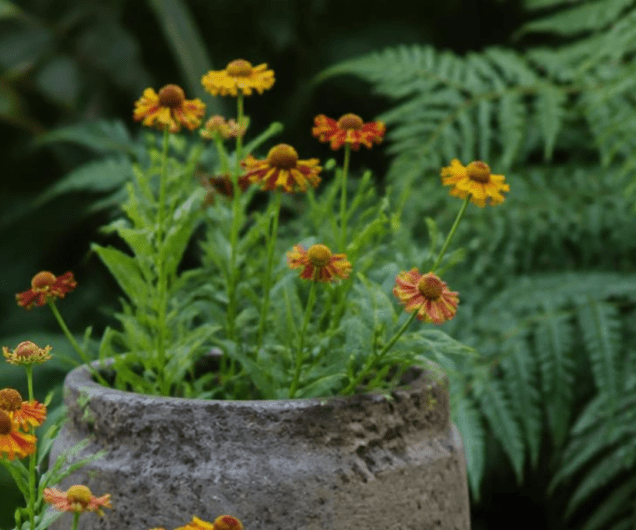
If growing in pots:
- Choose a large container
- Use quality compost
- Ensure adequate drainage
- Water regularly during dry weather
- Feed throughout the growing season
Container-grown plants will generally require more frequent watering than those growing in open ground.
Why Helenium Is Perfect for Wildlife-Friendly Gardens
Creating habitats for pollinators is becoming increasingly important.
Helenium contributes to wildlife-friendly gardening by providing:
- Nectar-rich flowers
- Late-season food sources
- Long flowering periods
- Colourful planting opportunities
Combined with other pollinator-friendly plants, it can help support beneficial insects throughout much of the growing season.
Final Thoughts
If you’re looking for a reliable perennial that delivers exceptional colour from late summer into autumn, Helenium is an excellent choice.
Its vibrant flowers, pollinator-friendly nature and long flowering period make it a valuable addition to borders, wildlife gardens and mixed planting schemes. With the right growing conditions and a little seasonal maintenance, Helenium can provide impressive displays year after year.
Whether you’re planning a complete garden refresh or simply looking to extend the season of colour in your borders, this versatile perennial is well worth considering.
For more seasonal planting advice and expert horticultural guidance, visit your local Tirlán CountryLife store and speak with our gardening team.
Frequently Asked Questions
Is Helenium a perennial?
Yes. Helenium is a hardy perennial that returns each year when grown in suitable conditions.
When does Helenium flower?
Most varieties flower from mid-summer through to autumn, often continuing well into September and October.
Does Helenium need full sun?
For best performance, Helenium should be grown in a sunny position.
How tall does Helenium grow?
Height varies by variety, but many plants grow between 60cm and 150cm tall.
Can Helenium survive winter?
Yes. Most varieties are hardy and will return the following year after dying back during winter.
Can Helenium be grown in containers?
Yes, provided the container is large enough and plants receive adequate water and feeding.