How Can I Prepare My Garden for Spring? Early Seeds, Tools & Garden Prep
As spring begins to unfurl across the garden, it’s the perfect moment to get ahead of the season. Early sowing, careful soil preparation and checking your tools now will make the coming months far more productive and enjoyable. Whether you’re planning colourful garden beds, sowing veg seeds, or simply tidying up after winter, a little spring prep goes a long way.
What Can I Sow in Early Spring to Kickstart Growth?
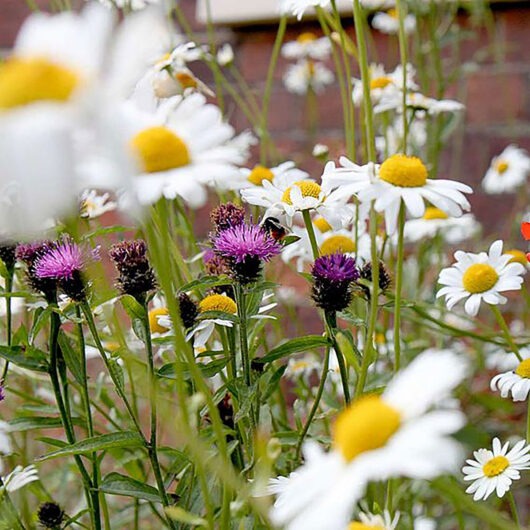
Early spring is a brilliant time to sow hardy seeds that thrive in cooler soil. Think leafy greens and flowers that don’t mind a bit of crisp morning air. A simple way to add colour and attract pollinators later in the year is to sow a mix of easy-growing wildflowers. For example, the Natures Haven Easy Wildflower Mix 4kg gives you a vibrant mix of ox-eye daisies, corn poppies, cornflowers and marigolds, all selected to attract bees and butterflies.
If you’d like flowers that return year after year, something like the Suttons Seed Pretty Perennials Mix is ideal, with over 25 species that will flower from May through September and support pollinators throughout the season. If you’re thinking about adding colour and wildlife to your garden this season, don’t miss our guide on preparing a wildflower meadow, with tips on choosing seeds and sowing for the best pollinator-friendly display.
For vegetable growers, sowing hardy seeds such as early peas or herbs indoors or under cover is a great early spring project, you’ll be harvesting fresh greens and herbs well before summer arrives.
How Should I Prepare My Soil for Early Spring Planting?
Soil preparation sets the foundation for healthy growth. In early spring, soil can be compacted and uneven after winter rain, so take time to clear any debris and loosen the surface. A simple and invaluable tool for this job is a soil sieve like the Smart Garden Garden Sieve, which helps you break up clumps and remove stones, leaving a fine, crumbly seed bed perfect for sowing.
Adding well-rotted compost or organic matter will boost soil structure and nutrients, supporting young seedlings as they grow. If your soil is slow to warm, raised beds or container sowing can help give seedlings a boost in those early weeks.
Why Should I Check My Tools Before Spring Begins?
Spring gardening becomes much easier when your tools are ready to go. Take time now to clean, sharpen and oil blades on secateurs, spades and forks. A well-maintained set of tools makes jobs quicker and more satisfying — and will reduce the risk of damaging delicate young plants.
For jobs like trimming winter growth or reaching tight spots, a garden multi-tool can be invaluable. The Multifunctional Proplus 5 Piece Garden Tool comes with a range of attachments for cutting, trimming and more — perfect if you want one reliable machine rather than several bits of equipment.
Is Early Spring a Good Time to Start Seeds Indoors or Under Cover?
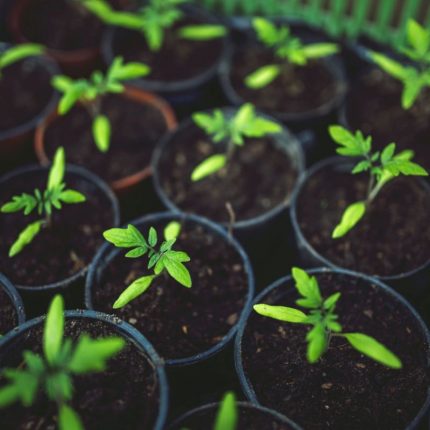
Absolutely. Starting seeds indoors or in a protected spot like a cold frame or greenhouse helps them establish before the weather fully warms up. This gives you stronger, healthier plants ready to go outside once frost risks have passed.
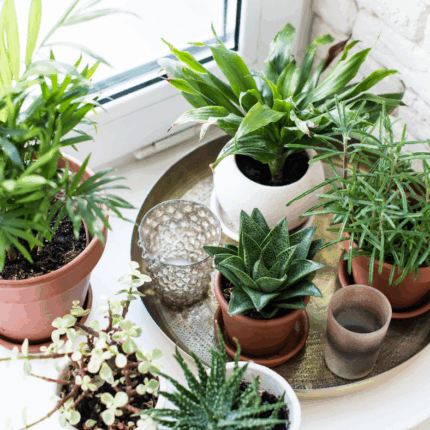
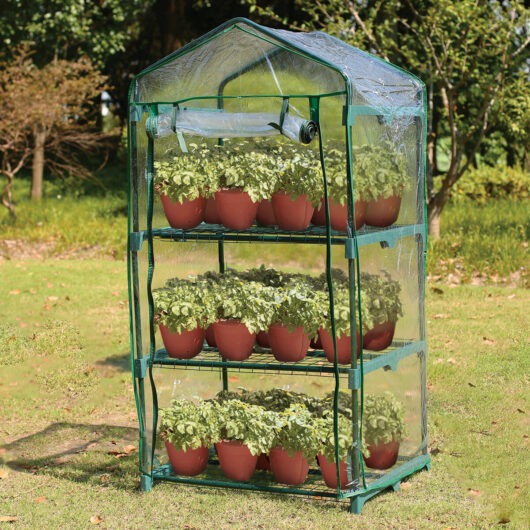
A light and bright windowsill is often enough for hardy herbs or early veg, but for larger batches, a greenhouse or propagator will make the task easier. Just remember to keep young seedlings well-lit and gradually acclimatise them to outdoor conditions, a process gardeners call “hardening off.” For ideas on what you can be planting or tending as the season unfolds, check out our April in the Garden to-do list, full of timely planting and care advice to help your garden thrive in spring.
What Other Spring Prep Should I Do Before the Busy Season Starts?
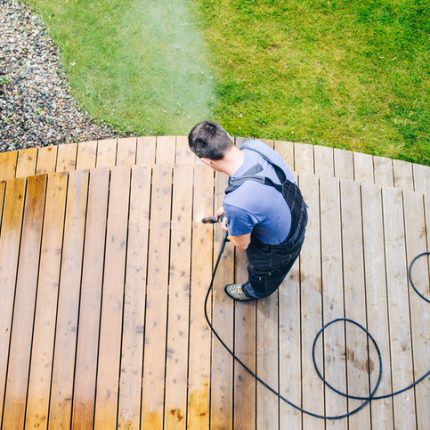
Spring isn’t just about seeds and soil, it’s also about organisation. Clearing out sheds, washing pots and planters, and tidying pathways makes your garden more inviting and means you’re not hunting for tools once planting begins in earnest. Plan ahead: think about where you’ll plant veg beds, flower borders or pollinator patches, and check that you have all the compost, fertiliser and mulch you need.
This thoughtful preparation saves time later and gives you a clear picture of what you want your garden to achieve this season.
Start Spring the Right Way
Getting the garden ready early gives you a head start on the growing season and makes every task that bit more enjoyable. From sowing seeds and preparing soil to checking tools and organising your garden space, these early steps set you up for success and a thriving garden as spring unfolds.
For more expert gardening advice, seasonal tips and practical guides, visit the Tirlán Country Life blog, where you’ll find inspiration to help your garden flourish all year round. If you enjoyed this article, check out related features on preparing garden beds, attracting pollinators and early sowing ideas to make the most of the season.
Spring Gardening FAQs
1. When should I start gardening in spring?
You can start gardening as soon as the soil is workable and no longer waterlogged. While growth may still be slow early on, spring is the ideal time to prepare soil, sow hardy seeds and get your garden organised before things really take off.
2. What vegetables are easiest to grow in early spring?
Hardy vegetables such as peas, broad beans, spinach, lettuce and onions are all well suited to early spring sowing. These crops cope well with cooler conditions and are a great way to build confidence early in the season.
3. Should I feed my garden soil in spring?
Yes. Spring is the perfect time to improve soil health. Adding compost or organic matter helps replenish nutrients used up over winter and supports strong root development as plants begin to grow.
4. Is it too early to cut back plants in spring?
Early spring is a good time to tidy up dead or damaged growth on many plants, but it’s best to wait until the risk of hard frost has passed. Always check individual plant needs before cutting back.
5. How do I protect young plants from spring frost?
Late frosts are common in spring. Using fleece, cloches or moving pots under cover on cold nights will help protect tender seedlings and prevent setbacks just as plants are getting started.