What Causes Mushrooms to Grow in Your Lawn? (And Should You Remove Them?)
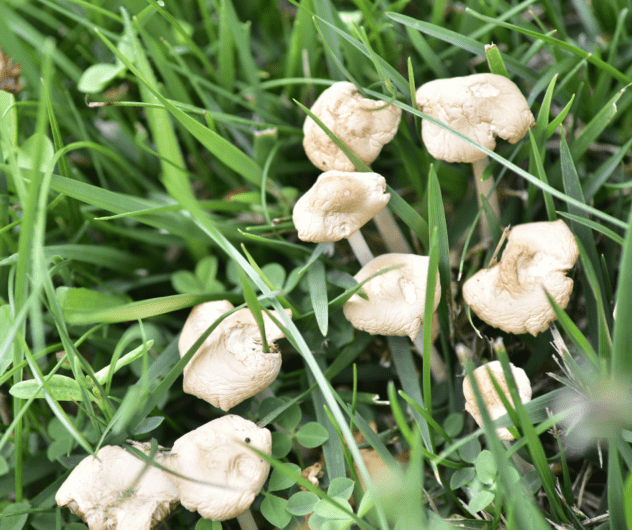
Finding mushrooms growing in your lawn can be surprising, especially when they seem to appear overnight. While many homeowners assume they’re a sign of poor lawn health, mushrooms are actually a natural part of a healthy garden ecosystem and are often nothing to worry about.
In most cases, mushrooms appear because the conditions are right for fungi to thrive. Moisture, organic matter and healthy soil all play a role, and while they can sometimes be unsightly, they rarely indicate a serious problem. Here’s why mushrooms grow in lawns, whether they’re safe to leave, and what you can do if you’d prefer to prevent them from returning.
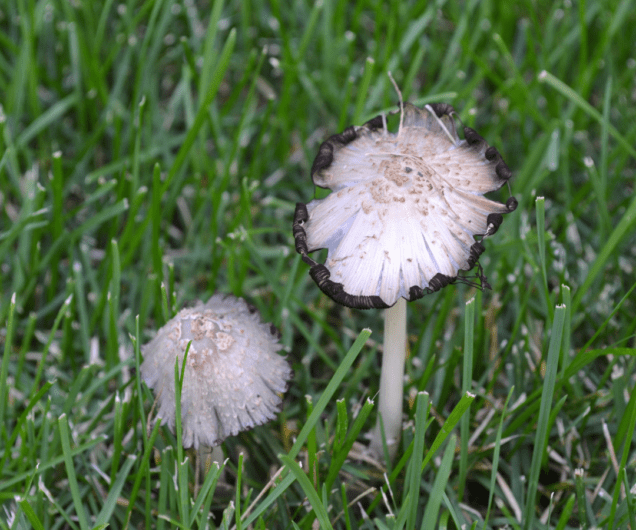
Why Are Mushrooms Growing in My Lawn?
The most common reason mushrooms appear in a lawn is a combination of moisture and organic matter beneath the surface.
Fungi feed on naturally decaying material such as old tree roots, buried timber, grass clippings, thatch and fallen leaves. Although you only see the mushroom above ground, it’s actually the fruiting body of a much larger fungal network living within the soil.
Warm temperatures followed by rainfall or humid conditions create the perfect environment for mushrooms to emerge, which is why they often appear almost overnight after a spell of wet weather.
Is It Safe to Have Mushrooms Growing in Your Lawn?
In most cases, yes. Mushrooms growing in your lawn are not harmful to your grass and are simply carrying out their natural role of breaking down organic matter and recycling nutrients back into the soil.
However, while they’re generally harmless to your lawn, some wild mushrooms can be toxic if eaten. If you have young children or pets who regularly use the garden, it’s a good idea to remove any mushrooms as they appear to reduce the risk of accidental ingestion.
If you’re unsure what type of mushroom is growing in your garden, it’s always safest to leave it alone and avoid eating or handling it unnecessarily. For most homeowners, mushrooms are more of a cosmetic concern than a gardening problem.
Are Mushrooms a Sign of Healthy Soil?
Surprisingly, they often are. Mushrooms can be a sign that your lawn contains healthy levels of organic matter and beneficial microorganisms working beneath the surface.
Fungi play an important role in breaking down dead plant material and returning valuable nutrients to the soil. This natural process helps improve soil structure and supports healthier grass growth over time.
That said, persistent mushrooms can sometimes indicate areas of poor drainage or consistently damp soil, so it’s worth paying attention if they continue appearing in the same location year after year.
Maintaining a healthy lawn through regular feeding and seasonal care can also help create stronger grass that is better able to cope with changing weather conditions. Products such as Evergreen Lawn Feed or Aftercut All-In-One Lawn Feed, Weed & Moss Killer can help promote vigorous grass growth while supporting overall lawn health.
For more lawn care tips, read our How to Kill Moss on Lawns guide to learn how to deal with moss, weeds and common lawn problems throughout the year.
Should You Remove Mushrooms from Your Lawn?
Whether you remove mushrooms is largely a matter of personal preference.
If they’re affecting the appearance of your lawn or growing where children or pets regularly play, they can simply be picked by hand or removed during mowing. However, removing the visible mushrooms won’t eliminate the fungus beneath the soil, so they may return while conditions remain favourable.
If they’re not causing any issues, it’s perfectly fine to leave them alone. Most mushrooms disappear naturally once the weather becomes drier or soil conditions change.
Planning a garden that’s safe for curious cats and playful dogs? Our Design a Pet-Friendly Garden guide offers plenty of practical inspiration.
How Can I Stop Mushrooms Growing in My Lawn?
Although it’s difficult to prevent mushrooms completely, good lawn maintenance can help make conditions less favourable for fungal growth.
Improving drainage is one of the most effective steps, particularly if parts of your lawn remain wet after rainfall. Aerating compacted soil allows air and water to move more freely through the ground, helping the surface dry out more evenly.
It’s also worth removing excessive grass clippings, fallen leaves and other organic debris that fungi use as a food source. If your lawn has developed a thick layer of thatch, scarifying can improve airflow while reducing the amount of decaying material beneath the grass.
Maintaining a healthy lawn through regular mowing, feeding and seasonal care will also encourage stronger grass that is better able to cope with changing weather conditions.
For more advice on dealing with common garden pests throughout the growing season, visit our Garden Pest Control guide, where you’ll find practical solutions for slugs, aphids and other common garden visitors.
Can Mushrooms Damage My Lawn?
No, mushrooms themselves don’t damage healthy grass or compete with it for nutrients. They feed on dead organic matter beneath the surface rather than living plants.
If mushrooms repeatedly appear in the same area, it may be worth investigating whether there’s an old tree stump, buried roots or an area of poor drainage beneath the lawn. Addressing these underlying issues may reduce future mushroom growth, although some fungal activity is entirely natural and beneficial.
Final Thoughts
While mushrooms can appear suddenly and look unusual, they’re usually a sign that nature is doing exactly what it’s supposed to. In many cases, they indicate healthy soil where fungi are breaking down organic matter and supporting the natural cycle of nutrients.
If you’d prefer fewer mushrooms, improving drainage, reducing excess organic debris and maintaining a healthy lawn can all help minimise their appearance. However, for most gardens, occasional mushrooms are simply a normal part of the changing seasons.
If you’re tackling recurring lawn issues, whether it’s mushrooms, moss or patchy grass, you’ll find a wide range of lawn care products, fertilisers and seasonal maintenance essentials at Tirlán CountryLife, along with expert advice in-store to help keep your lawn looking its best.
For more seasonal lawn care advice and gardening inspiration, visit the Tirlán CountryLife blogs, or speak to our in-store team for expert guidance on keeping your lawn healthy all year round.
Frequently Asked Questions
- Why do mushrooms appear overnight in my lawn?
Mushrooms can appear very quickly because the fungal network is already growing beneath the soil. Warm, damp conditions simply trigger the mushrooms to emerge above ground. - Can I mow over mushrooms?
Yes. Mowing will remove the visible mushrooms, although it won’t eliminate the underground fungus, so new mushrooms may appear while conditions remain suitable. - Are lawn mushrooms poisonous to dogs?
Some wild mushrooms can be toxic to dogs, while others are harmless. Because it’s difficult to identify species accurately, it’s best to remove mushrooms from areas where pets play and contact your vet immediately if you suspect one has been eaten. - Will mushrooms disappear on their own?
Yes. Most lawn mushrooms are short-lived and will naturally disappear as the soil dries out or weather conditions become less favourable. - Does lawn fertiliser stop mushrooms growing?
Lawn fertiliser won’t directly prevent mushrooms, but maintaining healthy grass alongside good drainage and regular lawn maintenance can help reduce the damp conditions that encourage fungal growth. - When are mushrooms most likely to appear in Irish lawns?
Mushrooms are most common after periods of warm, wet weather, particularly from late summer into autumn. However, they can appear at any time of year when soil conditions are damp enough to support fungal growth.